Egypt
Rosatom’s
flagship project on the continent is the construction of Egypt’s first nuclear
power plant. El-Dabaa is currently one of the world’s largest nuclear
construction projects. It is Africa’s first Generation III+ nuclear power plant
and will provide the country with modern, reliable, low-carbon electricity
generation. Once commissioned, the plant will account for around 10% of Egypt’s
energy mix and generate enough electricity to supply approximately 20 million
people. The possibility of expanding El-Dabaa to six units is also being
considered.
Around
26,000 people are currently working at the site, most of them Egyptian
nationals. Thanks to the efforts of the Russian and Egyptian teams, the project
is approaching its peak construction phase, with all four units under
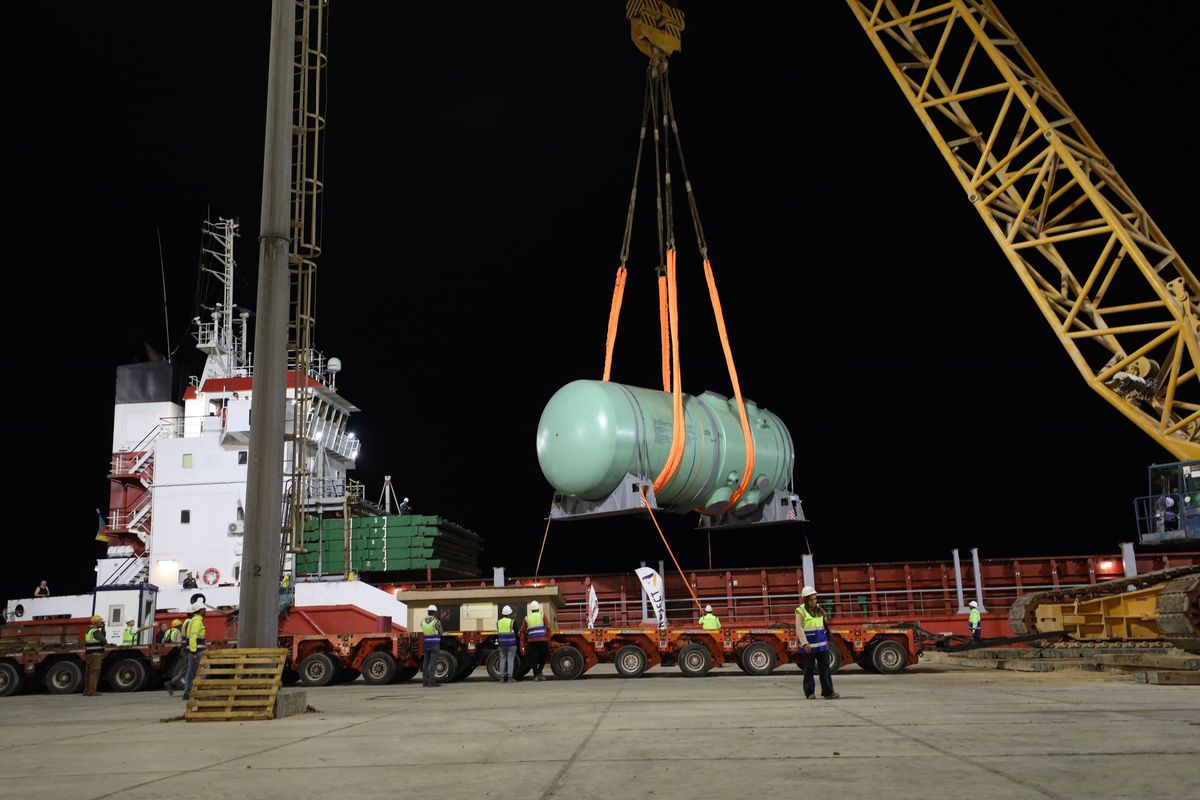
construction simultaneously. In July, the reactor pressure vessel was installed
in its design position at Unit 2. The same operation was completed at Unit 1 in
November last year.
Construction
of the Unit 1 reactor building is continuing. At Unit 3, the second containment
tier has been installed, reinforcement work is under way, and installation of
long-lead equipment has begun. At Unit 4, reinforcement and concreting of the
reactor building foundation slab are under way, and the first containment tier
has been manufactured. The next key milestone is delivery of the first batch of
fuel for loading into Unit 1, which is planned for 2027.
Detailed
discussions are under way on a range of new projects, including a desalination
complex integrated with El-Dabaa, a national additive manufacturing centre
based on Rosatom solutions, cooperation in small-scale nuclear power, local
production of energy storage systems, and numerous other areas. In parallel,
joint work with Egyptian partners is under way on a project to build a nuclear
medicine centre in the country.
Tanzania
Rosatom
State Corporation is developing the large-scale Mkuju River uranium mining
project in southern Tanzania. The project is operated by Mantra Tanzania Ltd.,
a subsidiary of Uranium One Group, which is part of Rosatom. The project is
based on the Nyota deposit, one of Africa’s largest uranium deposits, with an
estimated resource base of 58,500 tonnes of uranium. Once commercial operations
begin, the project is expected to produce up to 3,000 tonnes of uranium for
sale annually.
Namibia
Rosatom is
developing a large-scale uranium mining project in Namibia through Headspring
Investments, a subsidiary of Uranium One Group, which is part of Rosatom.
Exploration under the project has identified a major uranium deposit that ranks
third in Namibia by resource base and has the potential to become one of the
world’s largest newly discovered uranium deposits. Planned investment is
approximately US$500 million, with planned annual production of around 3,000
tonnes of uranium. In-Situ Recovery (ISR) is the proposed extraction method.
According to project estimates, the project would create more than 600 jobs at
the site and up to 4,000 in related industries. Its expected contribution to
Namibia’s annual GDP growth is estimated at 1–2%.
Ethiopia
Rosatom is
developing cooperation with Ethiopia on the country’s nuclear power plant
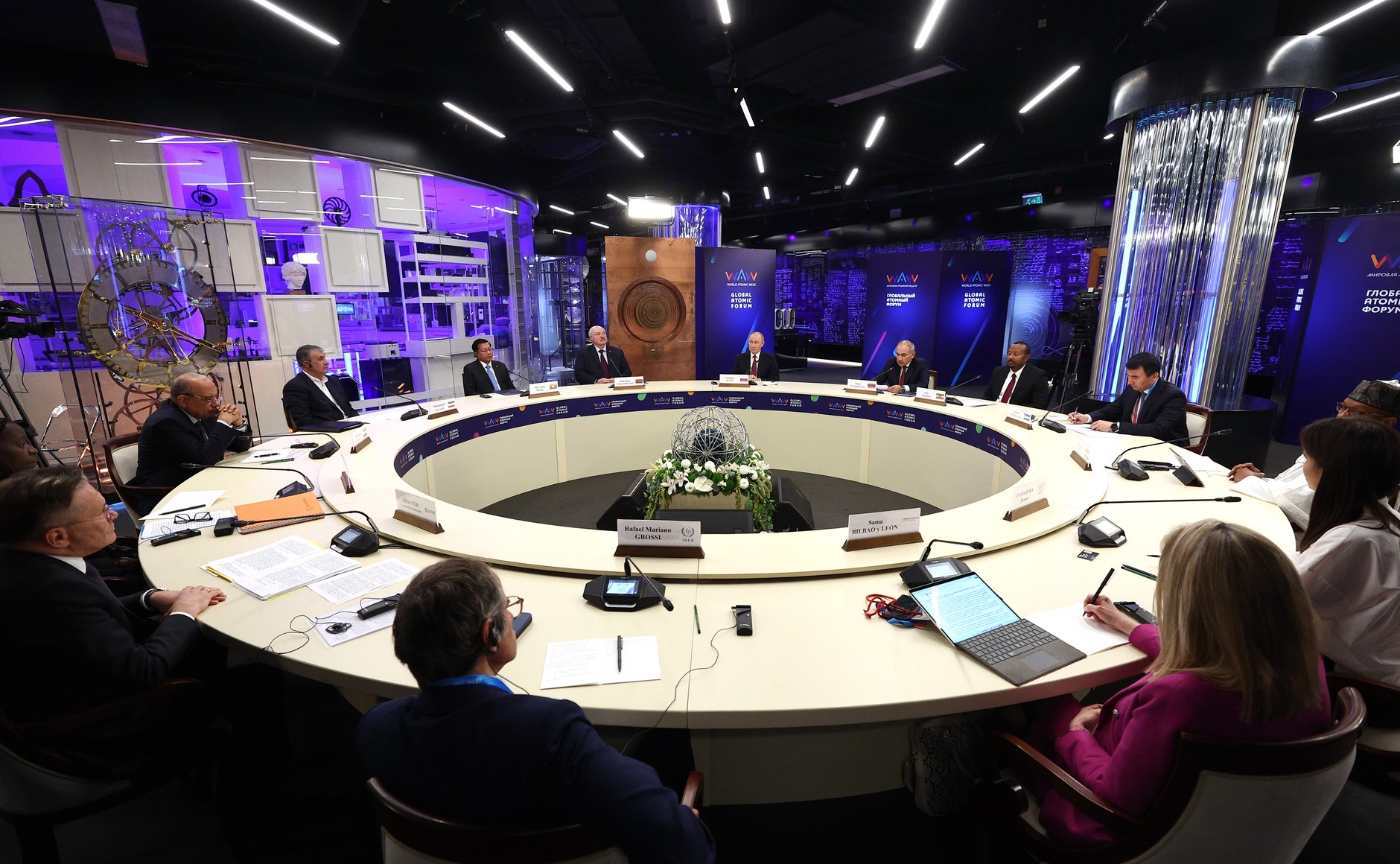
project. On 25 September 2025, on the sidelines of the World Atomic Week
international forum in Moscow, the corporation and Ethiopian Electric Power
signed an action plan to advance the project.
On 31 March
2026, Rosatom Energy Projects and the Ethiopian Nuclear Energy Commission
signed a roadmap for the country’s first nuclear power plant project covering
2026–2027. The document sets out the sequence of key steps to advance the
planned plant project and develop cooperation in related areas, including
training local specialists, sharing experience and strengthening the nuclear
industry’s legal and regulatory framework.
Rwanda
Rosatom is
developing comprehensive cooperation with Rwanda in the peaceful uses of
nuclear energy. In June 2026, Moscow hosted the first meeting of the Joint
Coordinating Committee on cooperation in the nuclear sphere. Following the
meeting, the parties signed a roadmap for developing a small modular nuclear
power plant project. A separate area of cooperation is the establishment of a
Centre for Nuclear Science and Technology. The centre is expected to include a
400 kW research reactor with provision for an upgrade to 5 MW, a laboratory
complex, a multipurpose processing centre and a cyclotron production facility.
It will provide a base for specialist training, scientific research and the
application of nuclear technologies in medicine, agriculture, industry and
other fields.
Rosatom
places particular emphasis on training local specialists for Rwanda. A total of
102 Rwandan nationals are studying nuclear and related disciplines at Russian
universities under Rosatom’s study quota scheme.
Mali
In April
2025, Rosatom, through Uranium One Group, began extensive geological
exploration at the Bougoula deposit to assess lithium reserves and prepare a
feasibility study for the project. The studies confirmed the deposit’s
potential for commercial production of spodumene concentrate, a key raw
material for producing lithium used in the battery industry. A mine and
processing plant is planned at the deposit. This will lay the foundation for
developing Mali’s mineral resource base and creating new industrial
opportunities, while strengthening economic cooperation with Russia.
Rosatom
State Corporation has completed the site investigation programme and prepared a
feasibility study for the Sanankoroba solar power plant project. The terms for
implementing the project under an engineering, procurement and construction
(EPC) contract are currently being worked out with Malian partners. The project
will reduce power system operating costs, improve the reliability of
electricity supplies to the capital region, and contribute to national
renewable energy development targets.
South
Africa
Rosatom is
developing cooperation with South Africa, the only country in Africa with an
operating nuclear power plant. Koeberg Nuclear Power Station has been in
operation since 1984.
The
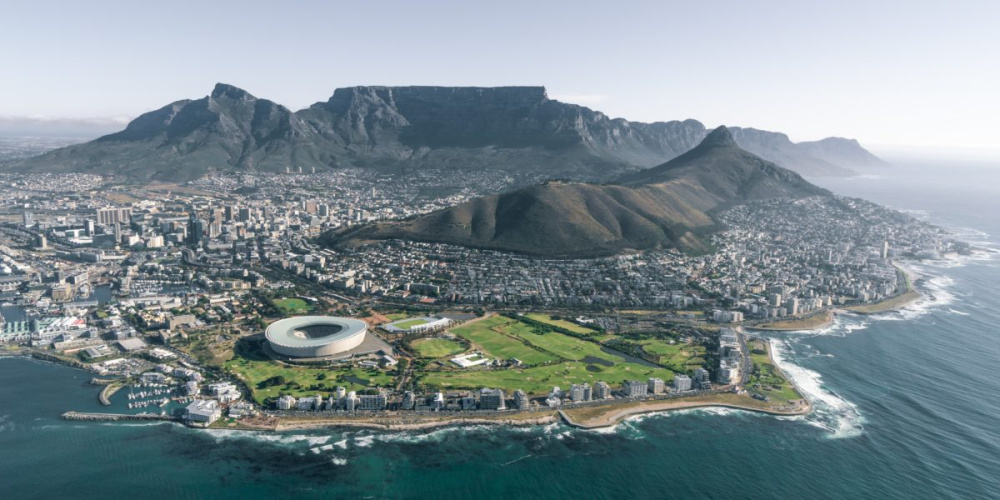
corporation has a regional office in Cape Town.
In 2024,
Rosatom signed a roadmap with Eskom covering workforce development and
education initiatives, and launched a joint programme with the University of
Zululand to train specialists for the nuclear industry.
Between
2014 and 2026, 145 study places were allocated to South African citizens
through Rosatom. Currently, 31 South African students are studying nuclear and
related disciplines relevant to the nuclear industry at Russian universities.
Of these, 10 are training in fields of study developed jointly with Eskom.
Rosatom is ready to cooperate across a broad range of areas upon request from its South African counterparts and is prepared to participate in a transparent procurement process.