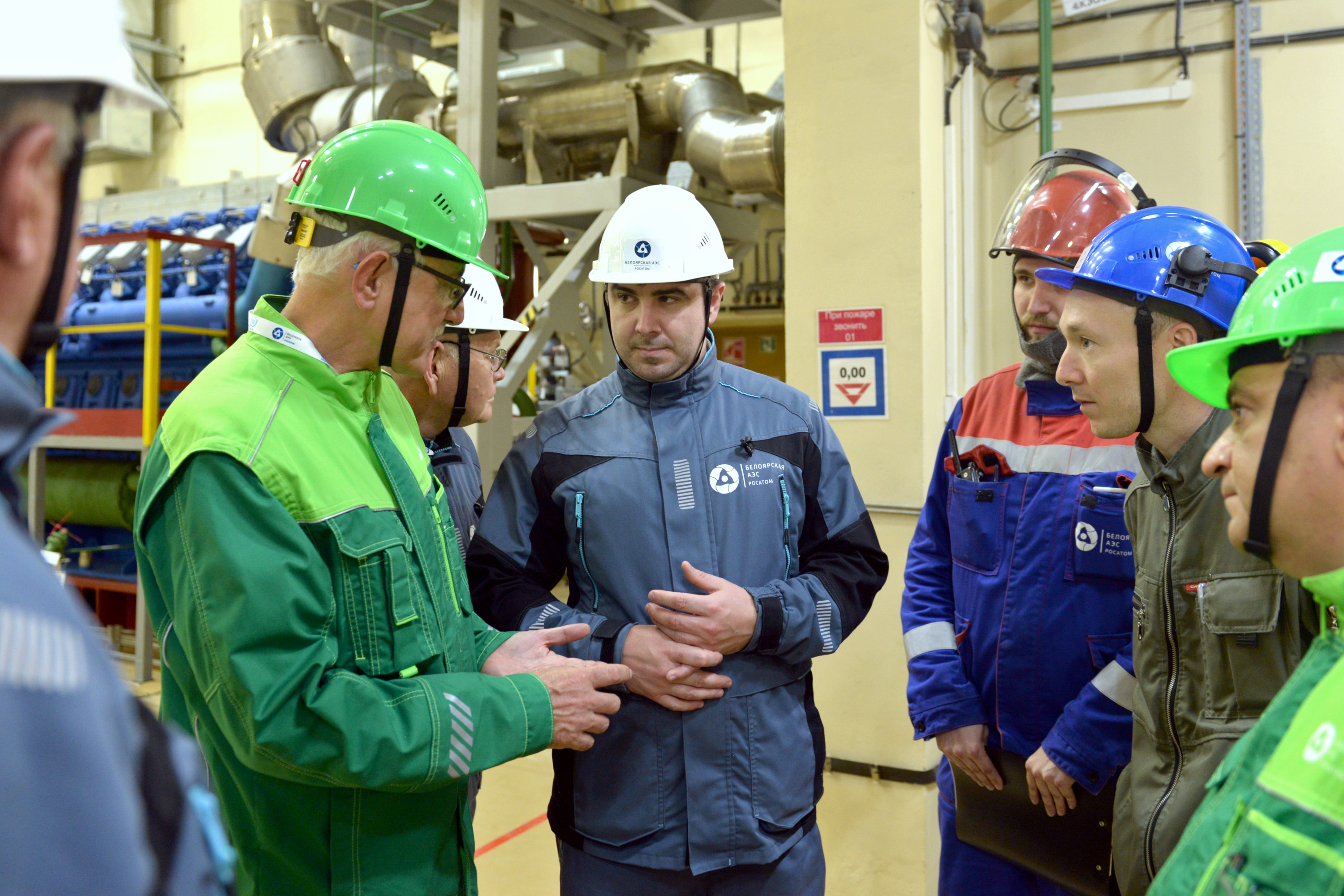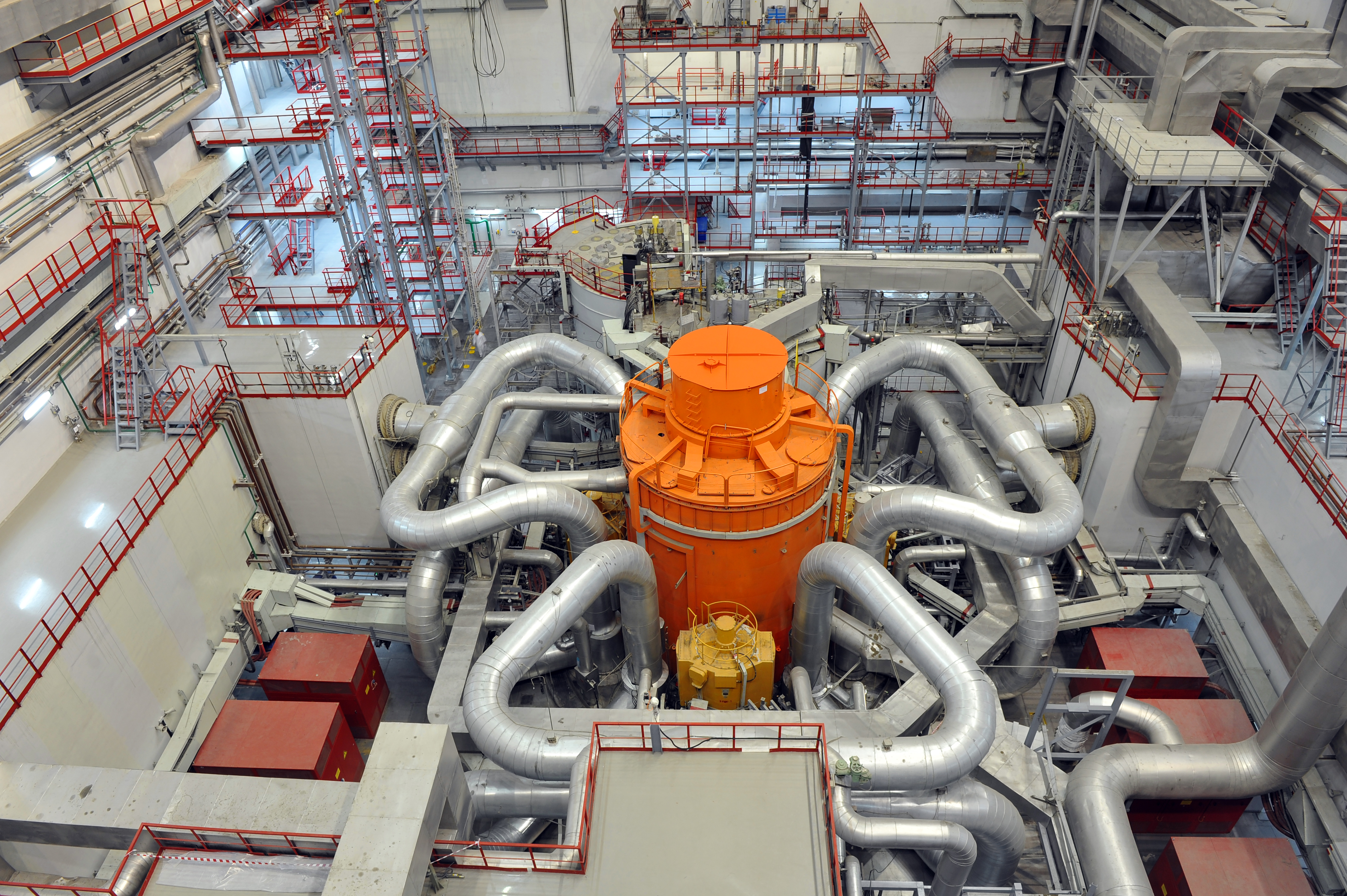
On Unit 4, the BN-800
fast-neutron reactor has entered an operational phase with recycled
uranium-plutonium MOX fuel, which was manufactured using plutonium that had
been extracted from an irradiated fuel assembly which had already completed a
full cycle in that same BN-800 unit.
For the first time on a commercial high-capacity reactor, the viability of a closed fuel cycle concept has been proven. In a nuclear reactor, irradiation generates plutonium within the fuel. After the spent fuel assembly exits the reactor, that plutonium can be recovered and used to make fresh fuel for the same unit — and the process can be repeated indefinitely.
A one-step process had been tested before: irradiated fuel from conventional thermal reactors used to be processed and loaded into a fast reactor as within fresh fuel, without a second recycling stage. But that did not unlock the full potential of multi-cycle recycling — the approach that removes the uranium-resource ceiling and creates a virtually inexhaustible energy source.
«Today, in closing the nuclear fuel cycle around fast reactors, we have moved from theory to practice. By overcoming this next technological milestone, we are proving the viability of a “renewable” nuclear energy model. It will allow us to meet growing electricity demands without a proportional increase in the strain on natural resources or in radioactive waste volumes. A closed fuel cycle is therefore not just about using uranium and plutonium more efficiently — it is a systemic solution to environmental challenges. The successful operation of this unique fuel assembly in BN-800 is a direct step toward the technological readiness of future Gen IV reactors, including the serial BN-1200M unit, which will go online in the coming decade. This is an important step toward making nuclear generation a strategic energy source for humanity», — said Alexey Likhachev, Director General of Rosatom.
An additional detail: the new experimental fuel assembly was produced using an optimized plutonium-recovery process, which cut the total number of processing steps while fully preserving fuel quality. This makes recycling more economical and simplifies the path to closing the fuel cycle. All loading work was carried out in coordination with Rostechnadzor and in full compliance with the regulator’s licenses.
Generation IV nuclear energy systems — as classified by the IAEA —
represent a family of technologies united by a common outcome: higher fuel
efficiency, enhanced safety, improved energy performance, and significant
reduction of spent nuclear fuel. Generation
IV systems have the potential to fundamentally reshape nuclear power, primarily
through a new level of safety, broader fuel flexibility, and a dramatic
decrease in radioactive waste. Russia is among the global leaders in developing
Generation IV technologies: pre-project work has begun for a BN-1200M unit at
the Beloyarsk NPP, and in the Tomsk Region, a BREST-OD-300 reactor plant with
an on-site closed nuclear fuel cycle is being built for the first time in the
world at a single location.
Closing the fuel cycle is especially critical as global uranium demand rises and natural reserves become a bottleneck. One IAEA scenario projects nuclear generation more than doubling by 2050, to 890 GW of installed capacity. Meanwhile, OECD analysts estimate that proven uranium reserves (around 8 million tons) could be depleted by 2060–2090. In this context, a closed fuel cycle is the only viable long-term way to match fuel supply with the world’s growing nuclear energy needs.