A wind turbine
converts wind energy into electricity. An air flow with its kinetic energy
passes through the windwheel setting it in rotation that is transmitted to the
rotor of the generator producing electric power.
Wind turbines
harness up to 45–50% of wind energy from the air flow. These power
installations are designed to accommodate constant changes in weather
conditions.
To maximize the use of air flow energy, modern wind turbines have systems
orienting them towards the wind and regulating the blades for a better angle of
attack.
Rated wind
speed: 12 m/s (43.2 km/h). Rated rotation speed: 14.8 rpm. Operating wind speed
range: 2.3–25 m/s (8.3–90 km/h).
What is a wind power plant (WPP)?
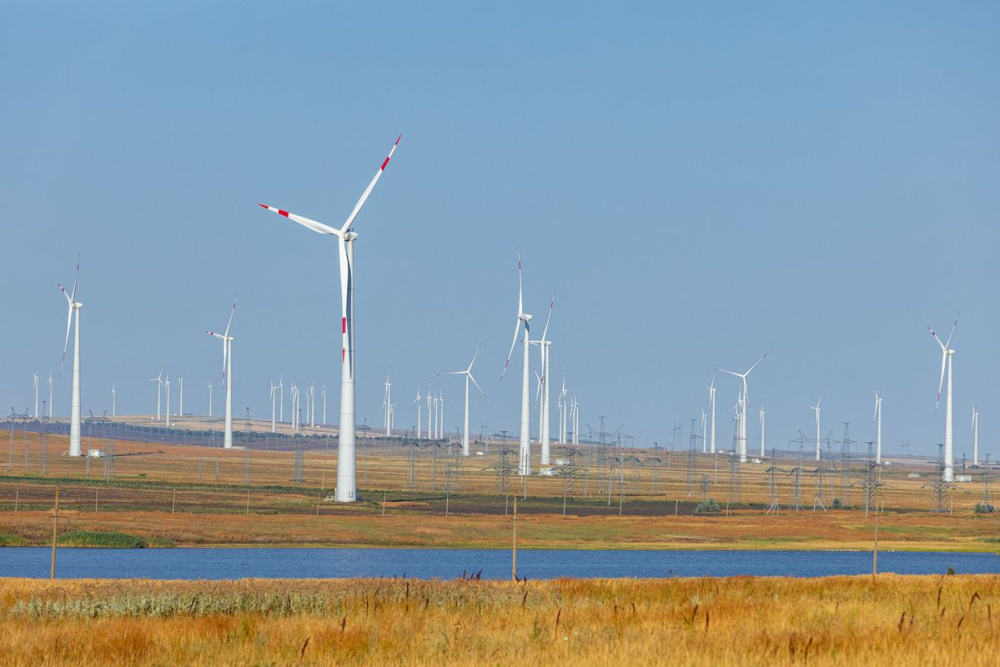
A wind power
plant consists of several wind turbines located in one or more places and
integratedinto a single grid.
For instance,
the Novolakskaya WPP will be comprised of 120wind
turbines, each with a 2.5 MW capacity. Its construction is divided into
two stages: the first, to be operational
since December 1, 2025, comprises 61 wind turbines with the total
installed capacity of 152.5 MW. The second stage, 59 wind turbines
with the total installed capacity of 147.5 MW, will be completed in 2026.
The total installed capacity of the WPP will amount to 300 MW. A WPP of such capacity can supply electricity to over 240,000 households every month.
Where can wind turbines be installed?
When selecting a wind farm location, numerous factors are usually taken into account:
- Climate conditions;
- Connectivity to the grid infrastructure;
- Transport accessibility of locations (the availability of and distance to roads suitable for transporting construction machinery and components of wind turbines; analysis of constraints on the routes to be used for parts delivery (bridges, tunnels,
etc.); - Impact on the quality of life (noise, visual impact, shadow flicker);
- Costs of building onshore WPPs are significantly lower than those for offshore onesbut their efficiency (CUF) is lower, too, which is explained by a higher wind potential over water surfaces).
Performance Factor (PF) is a system (device,
machine) efficiency metric regarding conversion or transmission of energy. It
is determined as a ratio of useful energy
to the total amount of energy obtained by the system.
Capacity Utilization Factor (CUF) is an essential metric of electric power enterprise performance. This is a ratio of actual energy generation of a wind turbine over a certain period of operation to an estimated uninterrupted energy generation at rated capacity.
We have 25–30%.
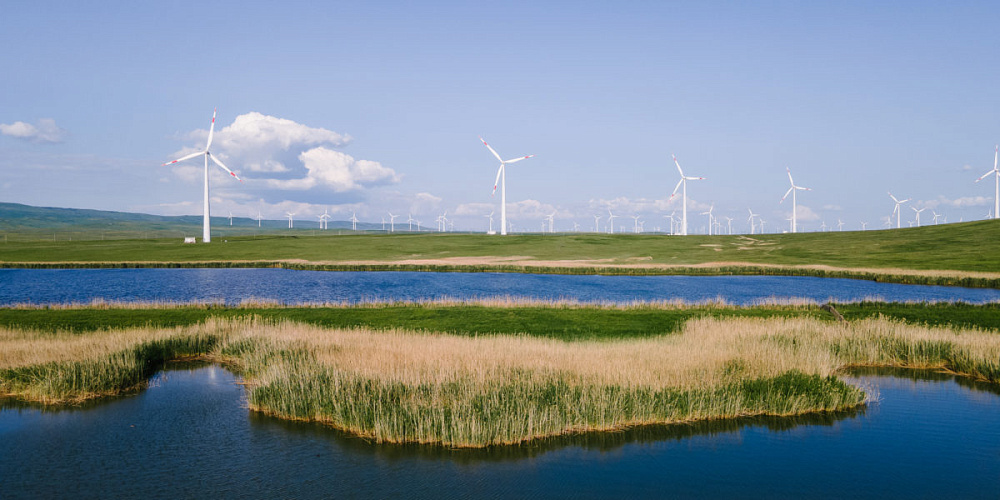
Wind farms are built
onshore and offshore. One of the latest developments is the use of floating
platforms for WPPs that help significantly expand the geography of offshore WPPuse (up to800 meters deep). The
first WPP using this technology was commissioned
in late 2017.
In shallow waters, the wind turbines are installed 30 m deep.