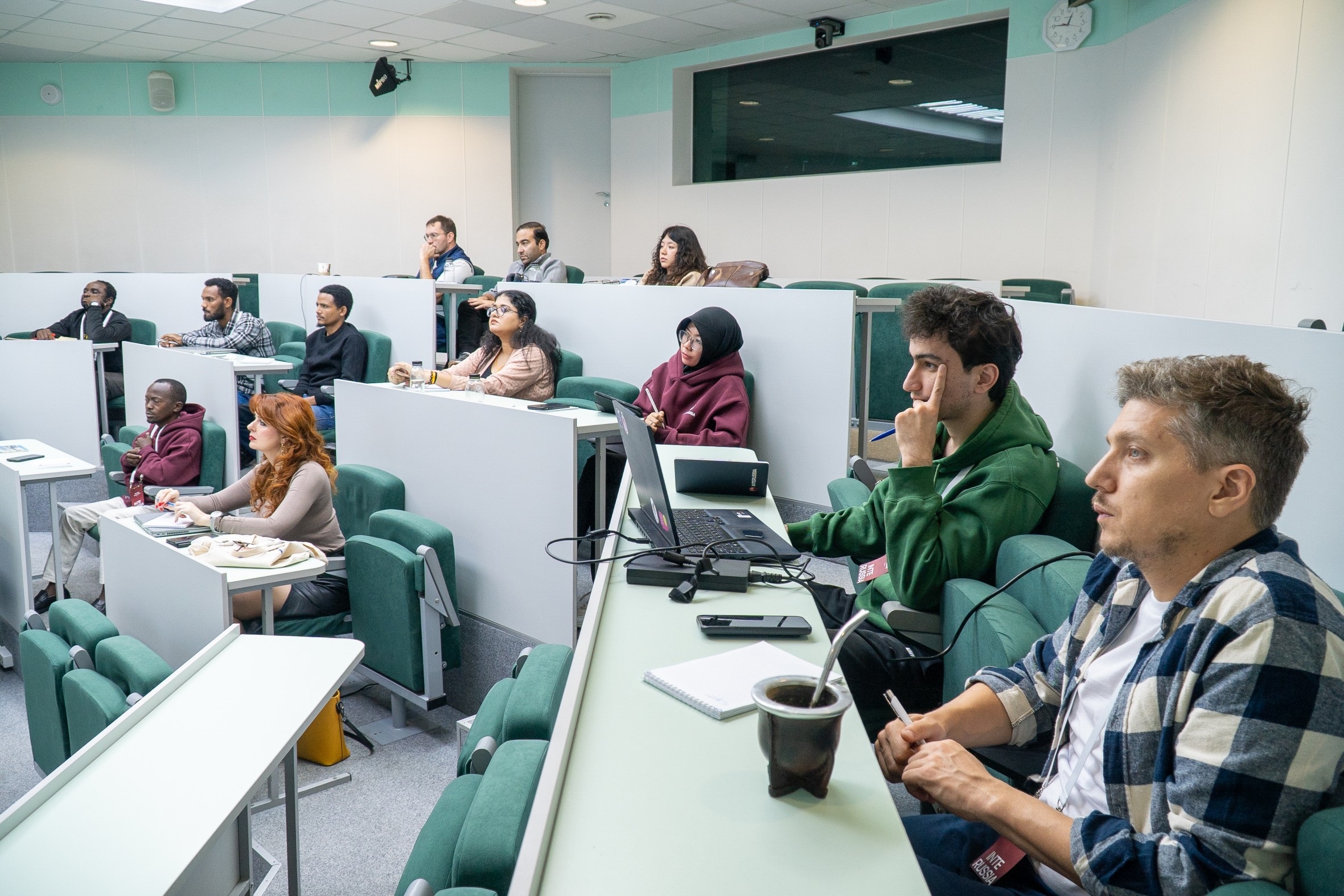
Rosatom Technical Academy hosted the InteRussia
internship for young foreign specialists in the field of nuclear technologies,
implemented with the support of the State Atomic Energy Corporation Rosatom.
Participants included representatives from Bolivia, Ethiopia, India,
Kazakhstan, Uzbekistan, and a number of other countries.
The training was aimed at developing a
comprehensive understanding of key Russian nuclear technologies and their
practical applications in energy, medicine, agriculture, and industry. The
participants became familiar with basic
principles of shaping national positions of engaging countries in the nuclear
sector, studied modern methods and tools for effective energy planning, and
discussed technological solutions and operational issues related to
large-capacity nuclear power plants and small modular reactors. Special
attention was given to non-power applications of peaceful nuclear technologies
in support of the Sustainable Development Goals.
One of the key components of the
internship was an opportunity to gain firsthand insight into the scale of the
Russian nuclear industry through on-site technical tours. The participants
visited the Leningrad Nuclear Power Plant equipped with Generation III+
VVER-1200 reactors, toured the world’s first nuclear power plant in Obninsk, and
learned about best practices in nuclear medicine and the use of radiation
technologies for the diagnosis and treatment of oncological diseases at the A.
F. Tsyb Medical Radiological Research Center.
A separate module of the program focused on current industry solutions and management approaches. During a meeting with Maria Oseeva, Head of International Nuclear Technology Projects at Rosatom International Network, the participants analyzed long-term development scenarios for the nuclear industry in countries with different levels of infrastructure readiness. The final stage of the training included preparation and defense of country reports. The interns presented analyses of the current state of the nuclear sector in their respective countries and outlined promising areas for future development. They also shared how they plan to apply the experience and knowledge gained during the internship in practice.
“The InteRussia internship contributed to the formation of a holistic understanding of the diversity of nuclear technologies. A visit to the Leningrad NPP made it possible to assess the high operational standards of large energy facilities, while the visit to the Obninsk NPP allowed participants to touch upon the origins of the global nuclear power industry. Thanks to the international composition of the group, strong professional connections were established, forming a basis for further cooperation,” noted Asadbek Yusup ugli Abdiadizov, Leading Specialist of the Project Office of the NPP Construction Directorate under the Uzatom Agency.
“Train-the-Trainers is a format that allows us to speak about the transfer of nuclear education in practical terms. Program participants not only become acquainted with best practices, but also rethink them in line with their countries’ national priorities. As a result, a professional community is formed that is capable of independently developing educational solutions and building international cooperation in the nuclear field,” emphasized Irina Sarkisyan, Head of the Nuclear Education Transfer Project Office at the Rosatom Technical Academy.
Russia is one of the global leaders in
the development of Generation IV technologies capable of fundamentally
transforming nuclear power, primarily through enhanced safety, an expanded fuel
portfolio, and a significant reduction in radioactive waste. There is currently
strong interest in small modular reactor technologies. Rosatom is the only
vendor that has implemented these technologies in practice in recent years.
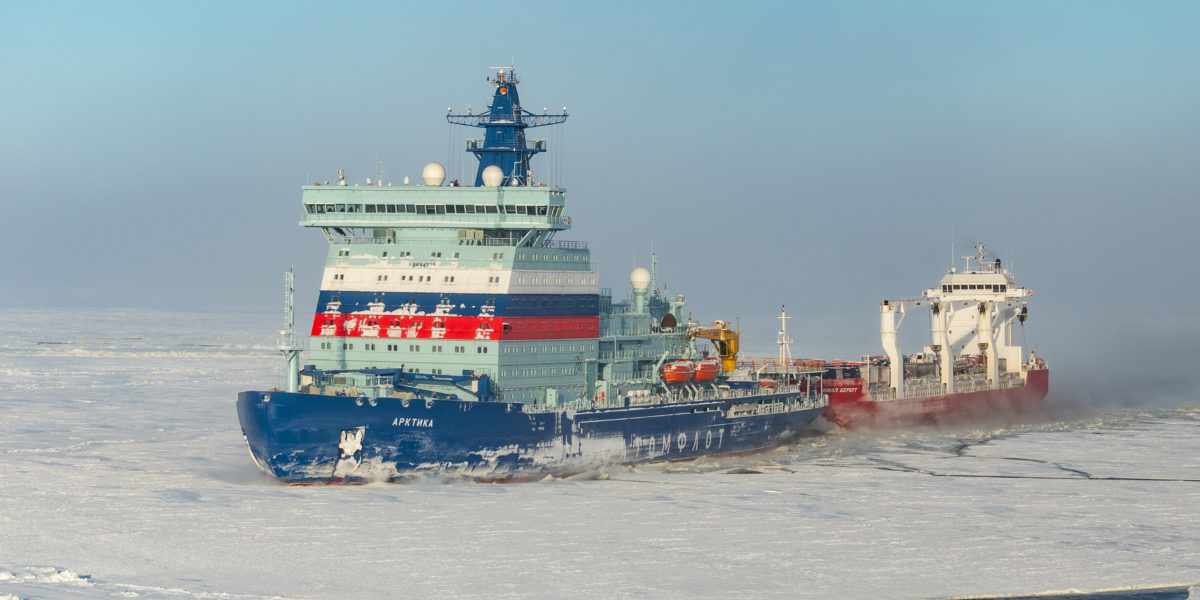
Five years ago, the unique floating nuclear heat and power plant Akademik
Lomonosov was commissioned and has already generated its first billion
kilowatt-hours of electricity. Serial production of innovative RITM-200 small
reactors with a capacity of 55 MW is underway, a small nuclear power plant is
being constructed in Yakutia, and the world’s first export contract for the
construction of an SMR plant has been signed with Uzbekistan.
Train-the-Trainers courses are held
regularly by the Rosatom Technical Academy as part of Rosatom’s International
Cooperation in Nuclear Education project. They cover a wide range of topics,
from electricity generation at large and small nuclear power plants to
irradiation of medical materials and agricultural products, development of
modern radiopharmaceuticals at research reactors, and the creation of advanced
systems and equipment for the diagnosis and treatment of oncological diseases.
The courses promote the transfer of nuclear education by sharing competencies
in teaching nuclear and radiation technologies with partner countries.
Russia is actively expanding cooperation with friendly states. Major joint energy projects continue to be implemented, with Rosatom and its divisions playing an active role in this work.