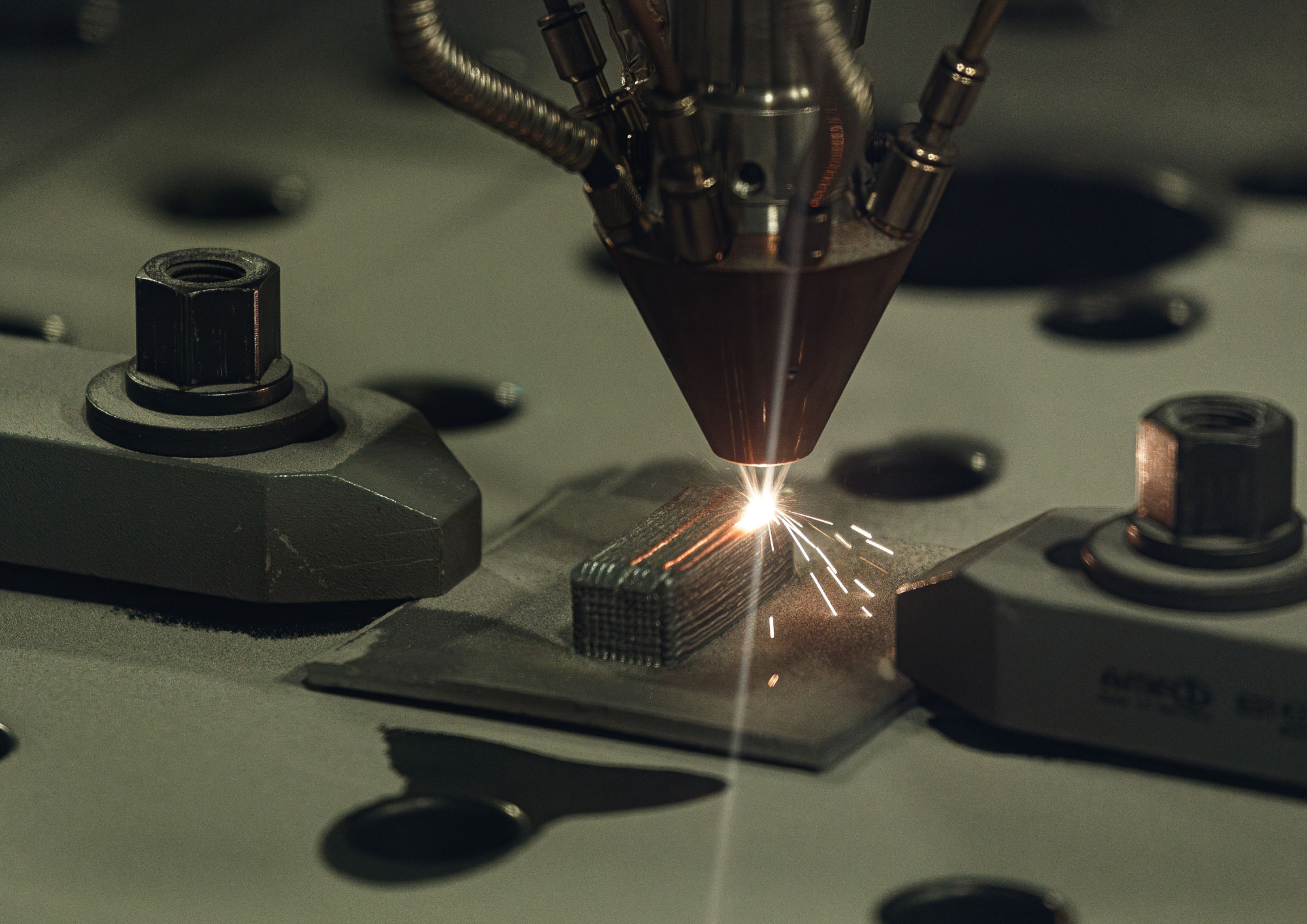
I. I. Afrikantov Experimental Design Bureau of Mechanical Engineering, the Mechanical Engineering Division of Rosatom, has received permission to manufacture equipment elements for the RITM-200 reactor plant using a domestic 3D printer. The first element manufactured with the help of additive technologies was a component of pumping equipment in a nuclear power plant — a terminal box.
The prototypes underwent a full range of studies in accordance with the program and test methodology agreed with the parent materials science organization and confirmed the possibility of using the 3D printing method in the manufacture of elements of the RITM-200 ship reactor plant. To date, regulatory documentation has been developed and approved, and the first Russian certificate of the Russian Maritime Register of Shipping has been obtained. The realization of this project made it possible to gain experience in manufacturing reactor equipment elements using additive technologies, to develop regulatory documentation in this direction and to further manufacture more complex and responsible products for RITM-200 on a 3D printer.
"Obtaining regulatory documentation for the first element for the RITM-200 reactor plant manufactured with the use of additive technologies makes it possible to replicate 3D printing technology in the future to create various equipment for marine nuclear power plants, as well as nuclear industry equipment of other types and purposes," said Yuri Vytnov, Chief Technologist of Afrikantov OKBM.
"The use of additive technologies in the production of elements for RITM-200 demonstrates the high level of technological readiness of the Russian industry. The use of 3D printing opens up new opportunities for design and production. It is possible to create parts with optimized geometry and improved characteristics. This makes it possible to increase the efficiency and reliability of equipment, as well as reduce its weight and cost," said Ilya Kavelashvili, Director of the Additive Technologies business area of Rosatom's Fuel Division.
This is the first time that elements of reactor units have been manufactured on a 3D printer in the Russian nuclear industry. Previously, this technology was used to create parts for bench equipment, process tooling and prototype models. The use of additive technologies in industry makes it possible to increase the service life of products, increase economic efficiency and reduce labor costs.
A pumping equipment element for RITM-200 was printed on an Ilist-L+ 3D printer
developed and manufactured by Rosatom in partnership with the St. Petersburg
State Marine Technical University. The elements were produced in Rosatom's
Nizhny Novgorod center for additive technologies at the Afrikantov OKBM site,
which was established in 2023 with the participation of the Additive
Technologies business unit of Rosatom's Fuel Division.
The RITM-200 reactor unit was created taking into account more than 60
years of experience in the operation of nuclear-powered vessels combined with
the use of all modern achievements in 3D design, calculation programs and
supercomputers. RITM-200 has a unique combination of high power, safety and
compactness, which determined the most important indicator of a universal
nuclear icebreaker — variable draft. This means versatility, reliability,
safety, environmental friendliness and economic efficiency. In addition to the
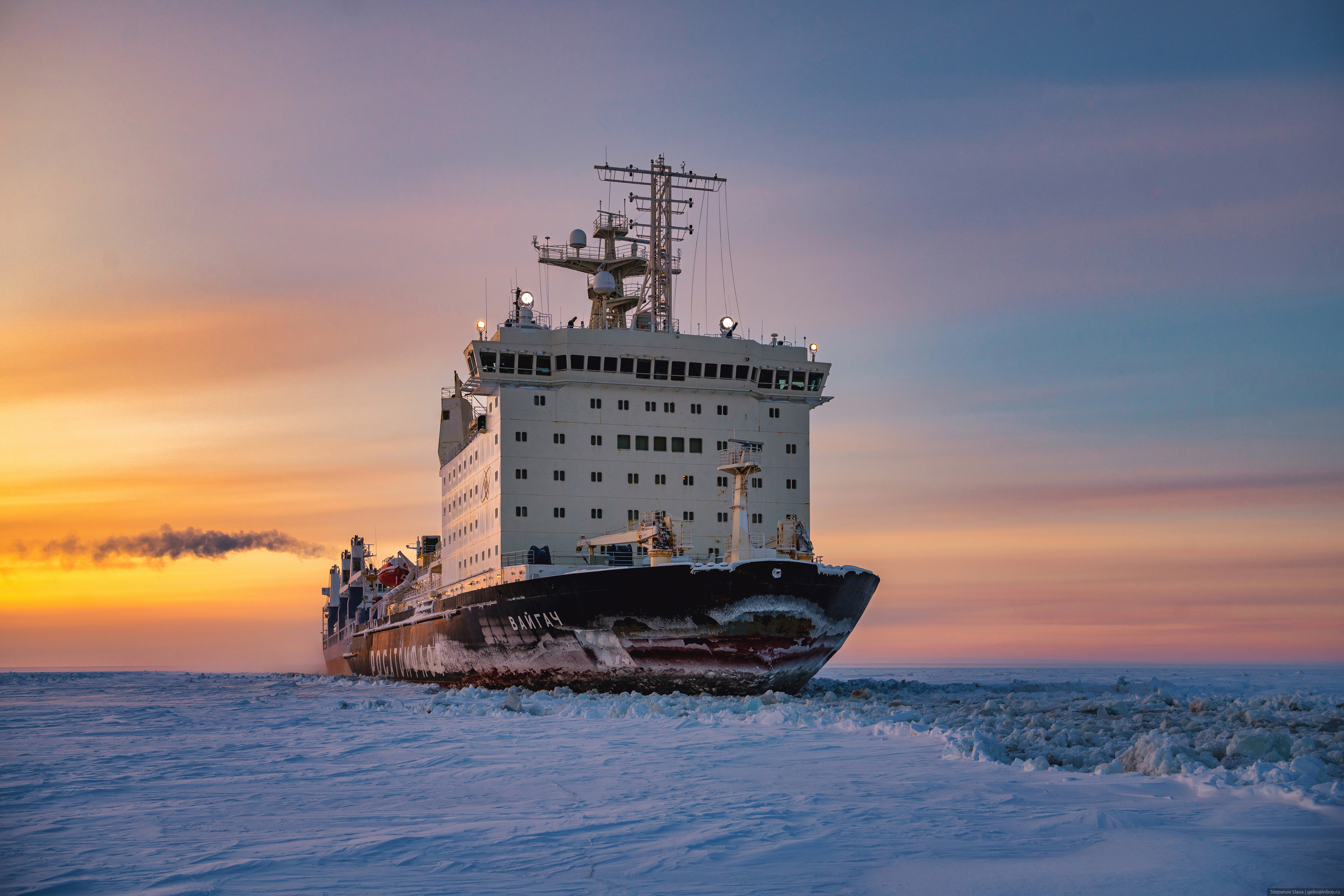
lead nuclear icebreaker of Project 22220 Arktika, serial icebreakers Sibir, Ural
and Yakutia are already in operation in the Russian nuclear icebreaker fleet,
with Chukotka, Leningrad and Stalingrad under construction, last one launched
on November 18. The RITM-200 reactor units, which proved their efficiency in
the conditions of the Far North, became the basis for energy solutions —
floating power units and low-capacity nuclear power plants capable of supplying
electricity to remote areas in the country and abroad. As a result, a series of
floating power units are being built to supply power to a large industrial
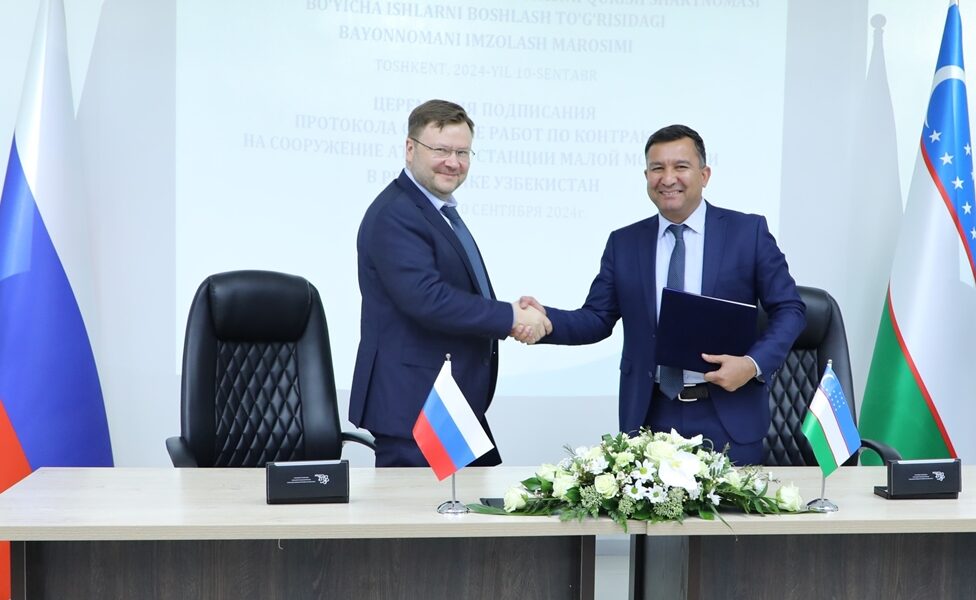
consumer in Chukotka; a project to build an SNPP with RITM-200 in Yakutia and
Uzbekistan is underway.
The Mechanical Engineering Division of Rosatom State Corporation is
Russia's largest power engineering holding in terms of production volume and
revenue. It supplies a comprehensive range of equipment for reactor and turbine
islands of all Russian-designed NPPs; designs manufactures, and delivers
integrated solutions for the power, oil and gas, and other industries.
The Fuel Division of Rosatom State Corporation includes enterprises that
fabricate nuclear fuel, convert and enrich uranium, produce gas centrifuges, as
well as research and development organizations. As the sole supplier of nuclear
fuel for Russian NPPs, the division provides fuel for a total of more than 70
power reactors in 15 countries, research reactors in nine countries, and
transport reactors of the Russian nuclear fleet. Every sixth power reactor in
the world runs on the division's fuel. Rosatom's Fuel Division is the world's
largest producer of enriched uranium, as well as the leader in the global
market for stable isotopes. The Division is actively developing new business
lines in the fields of chemistry, metallurgy, energy storage technologies, 3D
printing, digital products, as well as decommissioning of nuclear facilities.
Industry integrators for additive technologies and energy storage systems have
been created as a part of the Rosatom fuel company.
The Additive Technologies business area combines the full production cycle,
from the development of 3D printers and components to specialty powders,
software and personnel training. The company provides Russian manufacturing
enterprises in strategic industries with innovative and reliable equipment,
materials and professional service for the implementation of additive
manufacturing technologies.
By developing 3D printing technologies and a regional network of additive manufacturing centers, Rosatom contributes to the solution of government tasks in strengthening technological sovereignty. Widespread use of 3D-printing technologies will help reduce production time and cost by several times, and will help overcome barriers in the area of import substitution.