For the first time, Russian nuclear engineers have
implemented a unique solution at a large-scale commercial reactor, combining
closed nuclear fuel cycle technologies with accident-tolerant fuel (ATF)
developments.
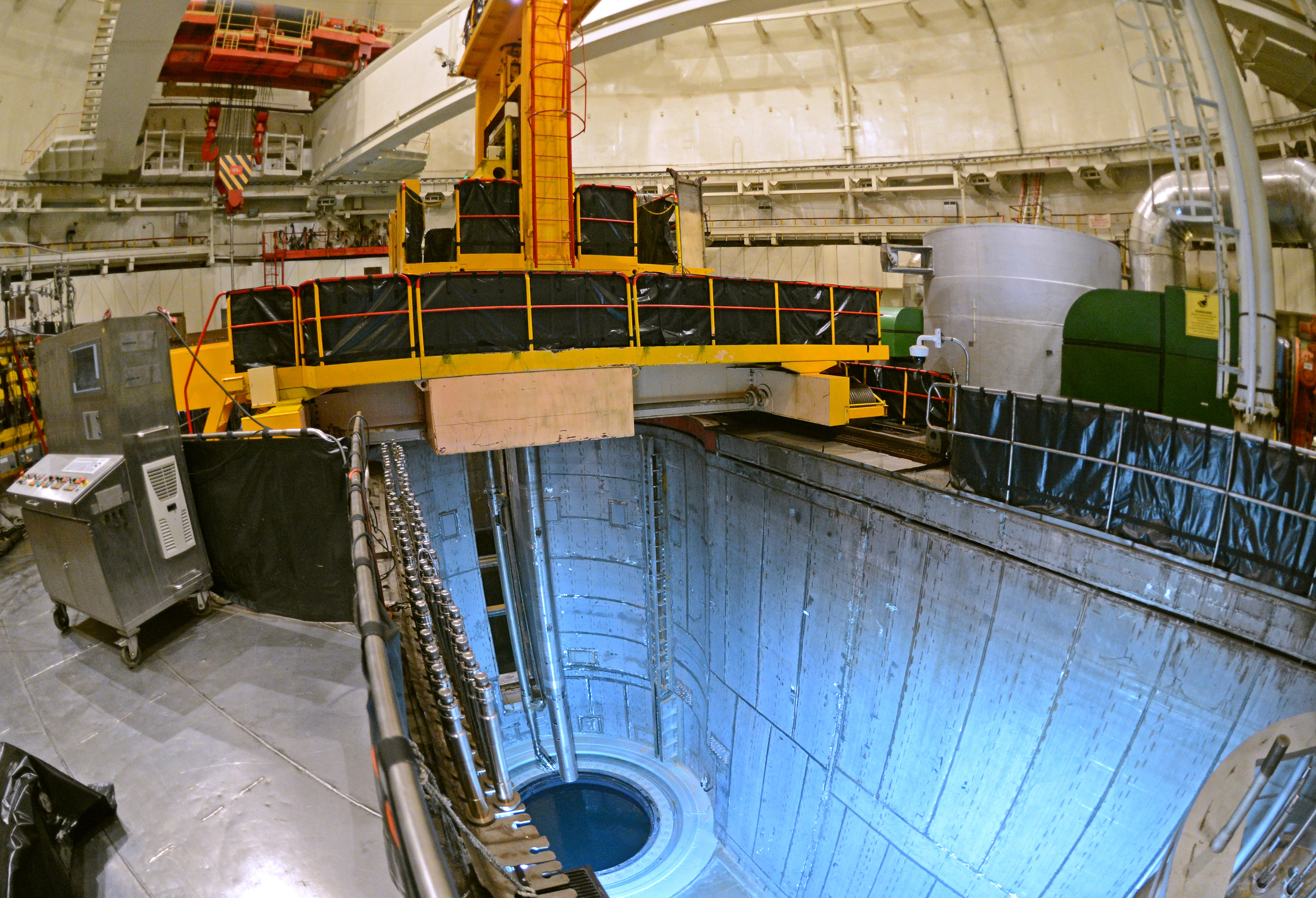
During the scheduled refueling at Unit 1 of the
Balakovo NPP in Saratov region, three innovative fuel assemblies were loaded
into the VVER-1000 reactor core. Each assembly contains 312 fuel rods with a
chromium cladding over a traditional zirconium alloy cladding; 18 of these rods
use an oxide uranium-plutonium fuel matrix (MOX fuel).
This combination of the fuel and structural materials
is strategically important to integrate a closed fuel cycle not only innovative
fast neutron reactors, but also conventional thermal light water installations,
which make up he backbone of modern nuclear power. The MOX technology enables
the use of secondary nuclear materials, such as depleted uranium and plutonium
extracted fr om spent fuel, for production of fresh nuclear fuel. The
chromium-coated fuel rod claddings, originally developed for ATF, not only
enhance safety and resilience in severe accident scenarios but also allow for
fully automated, “unmanned” fuel fabrication, eliminating manual operations and
minimizing radiation exposure for shop-floor personnel.
Rosatom’s
first uranium-plutonium solution for VVER reactors was REMIX fuel, itts pilot
operation at the Balakovo NPP was successfully concluded in March 2026.
However, MOX fuel opens new prospects: it contains several times more plutonium
than REMIX and uses depleted rather than enriched uranium. This solution may streamline
fuel fabrication economics, enable a more flexible use of regenerated nuclear
materials, and also tap into the industry’s stockpiles of depleted uranium.
The calculations indicate that if a VVER fuel assembly is composed of 25% MOX fuel rods and 75% standard enriched uranium rods (including regenerated uranium), the plutonium content will be equivalent to a REMIX assembly containing entirely of uranium-plutonium fuel rods. This hybrid assembly, dubbed “heterogeneous REMIX,” is projected to reduce natural uranium consumption over the lifecycle of new VVER-1200 power units by more than 20%.
“Rosatom’s strategic goal and our vision for the future is a dual-component nuclear energy system wh ere fast and thermal reactors operate in a closed fuel cycle, with spent fuel from some installations becoming raw material for fresh fuel in others. Today, we are already piloting fifth-generation fuel assemblies for VVER-1200, fuel rods with MOX fuel and chromium claddings, and even develop new technologies for fully automated pellets manufacturing. In the future, we plan to integrate all these innovations in a single product,” commented Alexander Ugryumov, Senior Vice President for Research and Development at TVEL (managing company of Rosatom’s Fuel Division).
Prior to loading of the innovative fuel into the VVER-1000 core, Rosatom conducted tests of MOX fuel rods at its research facilities. The pilot operation at Balakovo NPP is carried out in strict coordination with the Russian regulator Rostekhnadzor and under an issued license.
Balanced
nuclear fuel cycle (NFC) is a complex product of Rosatom. It is based on
innovative practical solutions for closing the nuclear fuel cycle, which enable
for efficient reprocessing of irradiated nuclear fuel and ensure rational
management of products after processing, both useful (uranium and plutonium)
and disposed (fission products).
Balanced
NFC is mainly aimed at principal reduction of the volume and effect of
radioactive disposed waste. Balanced NFC:
– improves
the safety of nuclear waste management and reduces environmental risks;
– addresses the problem of future generations and gives a pattern for sustainable consumption and production;
– reduces the volume and level of hazard of disposed waste to a minimum;
– reuses valuable raw materials in the NFC, i.e. recycles nuclear materials.
Nuclear Fuel Division of Rosatom (managed by TVEL JSC) includes enterprises engaged in fabrication of nuclear fuel, uranium conversion and enrichment, manufacturing of gas centrifuges, as well as R&D and design institutions. Being the sole supplier of nuclear fuel for Russian NPPs, TVEL provides fuel for more than 70 power reactors in 15 countries worldwide, research reactors in nine countries, as well as propulsion reactors of the Russian nuclear fleet. One out of every six power reactors globally operates on TVEL fuel. The Fuel Division is the world's largest producer of enriched uranium and stable isotopes. TVEL is also focused on development of new businesses in chemistry, metallurgy, energy storage, 3D printing, digital solutions and decommissioning of nuclear facilities.
Electric Power Division of Rosatom is Russia’s largest producer of low-carbon electricity. Its management company, Rosenergoatom, operates 11 nuclear power plants—including the world’s only floating nuclear power plant. The division’s 33 power units, with a combined capacity of 28.5 GW, generate about 19% of Russia’s electricity. Rosenergoatom’s enterprises provide a full range of services for nuclear units, from commissioning and maintenance to personnel training. They also produce isotopes for medicine, agriculture, and microelectronics, and are developing new business lines such as electric vehicle charging infrastructure, biogas plants, and industrial robotics.