Specialists of the Fuel Division of Rosatom fr om the scientific and
technical center of Rosatom Chemical JSC have developed an electrolyte for
chemical cells capable of operating at extremely low temperatures down to
-60°C. The low-temperature electrolyte developed in the Fuel Division of
Rosatom has successfully passed preliminary tests and even demonstrated a
slight superiority over existing imported analogs.
This solution opens up prospects for the creation in Russia of a chain of battery production suitable for use in Arctic conditions, as well as at polar and space stations, wh ere power cells lose efficiency due to cold. Under conditions of extreme frost, the electrolyte becomes as viscous as honey, internal resistance of the cell increases, concentration polarization increases, and as a result, the operating voltage of the cell decreases significantly.
"We have developed an electrolyte composition with low sensitivity to supercooling, and due to this battery cells based on it, even at -60°C, lose a maximum of 30% of their total energy capacity compared to their operation at room temperature. We are currently collaborating with industrial partners to produce a serial batch of cells with this improved electrolyte," said Alexander Seleznev, Acting Director General of JSC Rosatom Chemistry."
The Fuel Division of Rosatom is ready to fully provide potential Russian battery cell manufacturers with key components: cathode material is fluorocarbon from the Siberian Chemical Combine (JSC SKhK), anode is metallic lithium from the Novosibirsk Chemical Concentrates Plant (PJSC NZKhK), and the electrolyte itself is a product of Rosatom Chemical JSC. The creation of the company's own low-temperature electrolyte is another step in strengthening national technological sovereignty in the field of battery chemistry.
Electrolyte is a solution of lithium salts that is used to
soak the porous separator and electrodes in batteries. The electrolyte is a
medium that allows lithium cations to move. This allows the battery to be
charged and discharged repeatedly over a long period of time. The electrolyte
properties directly affect the characteristics of the battery: energy capacity,
power, service life and safety. The electrolytes developed by Rosatom Chemical
JSC are complex multicomponent mixtures of high-purity solvents and functional
additives.
Rosatom Chemical JSC is a subsidiary of the Fuel Division of Rosatom,
which consolidates a number of assets of Rosatom's Fuel Division in the
Specialty Chemicals business area.
The Fuel Division of Rosatom includes enterprises that fabricate
nuclear fuel, convert and enrich uranium, produce gas centrifuges, as well as
research and development organizations. As the sole supplier of nuclear fuel
for Russian NPPs, the division provides fuel for a total of more than 70 power
reactors in 15 countries, research reactors in nine countries, and transport
reactors of the Russian nuclear fleet. Every sixth power reactor in the world
runs on the division's fuel. Rosatom's Fuel Division is the world's largest
producer of enriched uranium, as well as the leader in the global market for
stable isotopes. The Division is actively developing new business lines in the
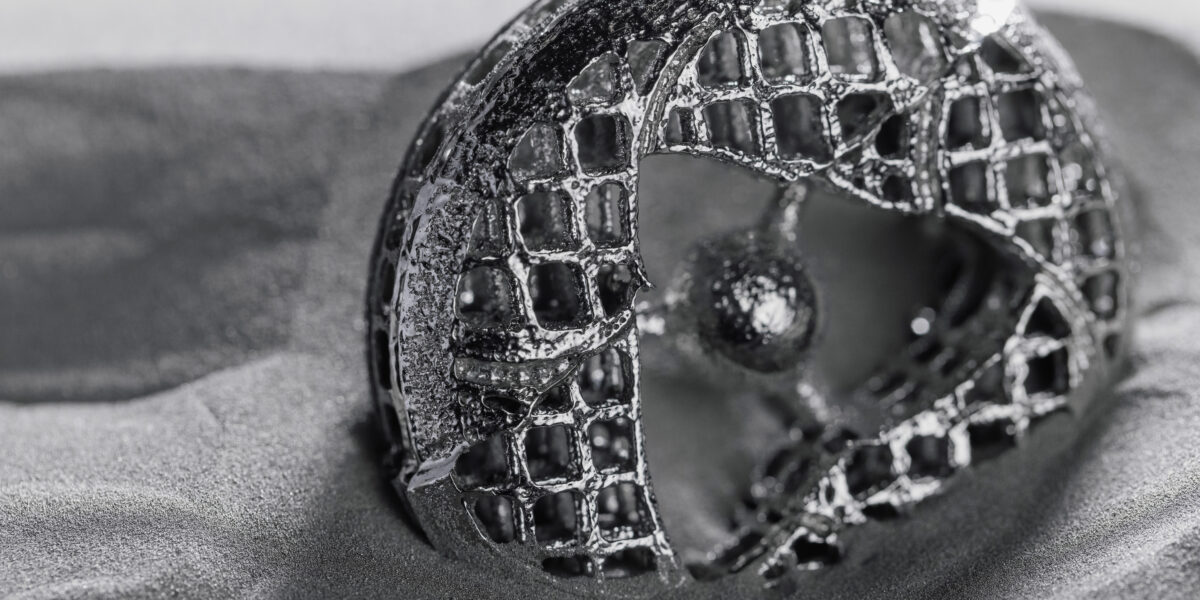
fields of chemistry, metallurgy, energy storage technologies, 3D printing,
digital products, as well as decommissioning of nuclear facilities. Industry
integrators for additive technologies and energy storage systems have been
created as a part of the Fuel Company of Rosatom TVEL.
Rosatom's innovative technologies are based on the advanced achievements of Russian nuclear science and fully meet the present-day ESG agenda. The results achieved are the labor of thousands of highly qualified professionals who work in the interests of Russia's economic stability. Close interaction between industrial enterprises and research institutes helps strengthen the country's technological sovereignty and improve the competitiveness of the domestic nuclear industry.