The BRICS Quantum Technologies Forum, held at the Atom Museum in Moscow’s VDNH exhibition complex, heard a statement by the participants of the BRICS Nuclear Energy Platform, which highlighted the growing role of quantum computing in shaping the energy systems of the future and calls for consolidating efforts to advance quantum computing with a view to unlock the potential of nuclear energy.
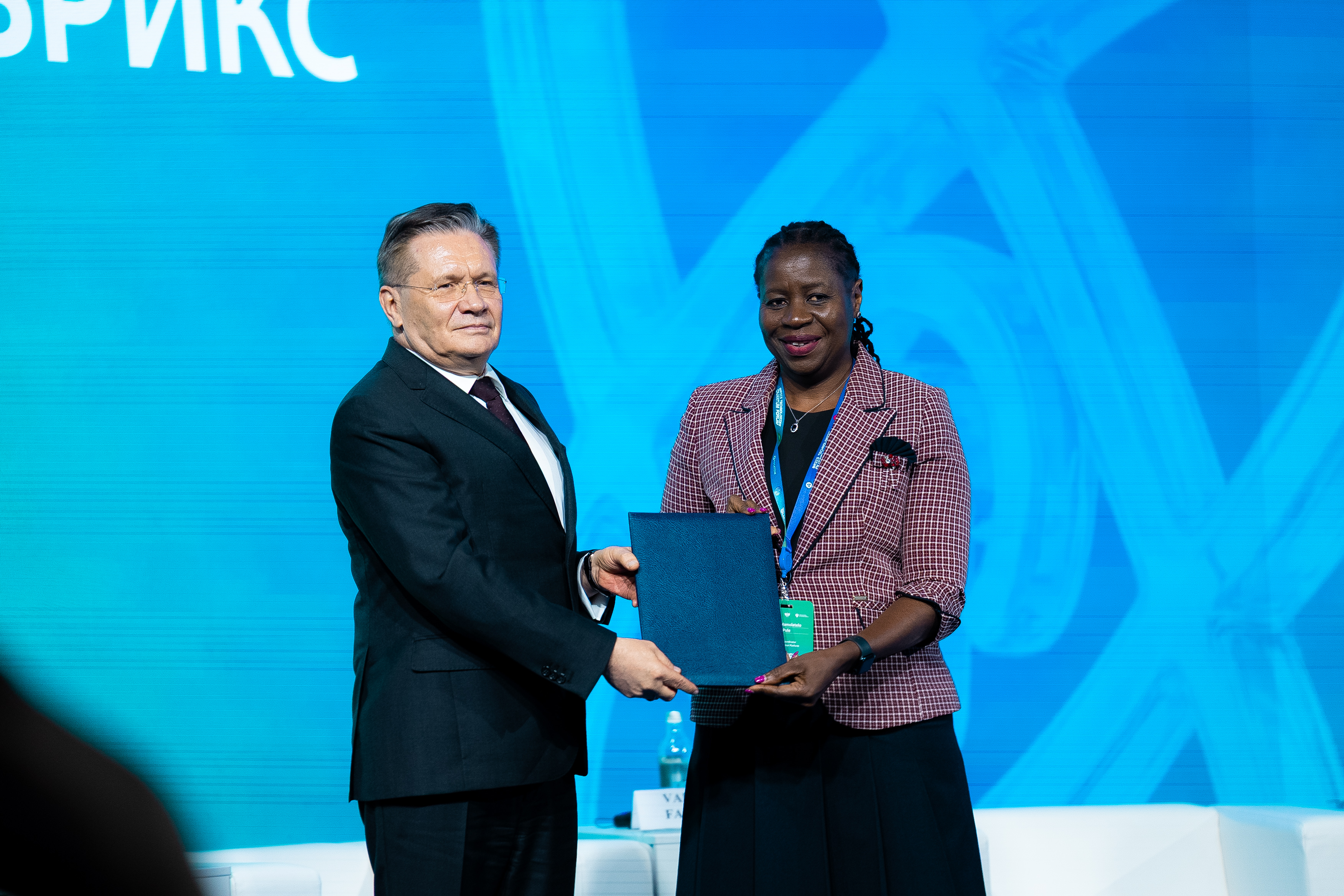
The statement, presented by Elsie Pule, Chief Coordinator of the BRICS Nuclear Energy Platform, describes quantum computing as a field that could “over the coming decades become one of the key drivers of economic and societal transformation.” The document also identifies areas within the nuclear sector where quantum computing could significantly improve operational efficiency: “We recognize the substantial potential of quantum computing in the peaceful uses of nuclear energy for addressing a broad range of modeling and engineering challenges, optimizing production and logistics processes, and developing new materials and technologies aimed at further enhancing the efficiency, safety, and reliability of nuclear power as a whole.”
The statement further underscores the Platform participants’ support for quantum technologies: “We unanimously express our support for this area, recognizing its growing significance for the nuclear energy sector of the future.”
“Our mission is to ensure that advanced nuclear technologies contribute to improving quality of human life. Early applications of quantum computing in the Russian nuclear industry have demonstrated the technology’s significant potential to make nuclear power generation more efficient and reliable. Knowledge and expertise in this field should be accessible to all participants of the BRICS Nuclear Energy Platform. We hope that, with Rosatom’s support, initiatives aimed at sharing quantum expertise and advancing collaborative research will be developed in the near future, helping us fulfill our mission of serving both technological progress and humanity,” commented Elsie Pule, Chief Coordinator of the BRICS Nuclear Energy Platform.
The BRICS
Nuclear Energy Platform was established to strengthen cooperation at the
corporate level and promote nuclear energy as a clean source of power. The
Platform’s primary objective is to facilitate the adoption of best practices
and advanced approaches in both nuclear energy and non-energy nuclear
technologies, while promoting enabling mechanisms and business models for
nuclear projects across BRICS markets and beyond.
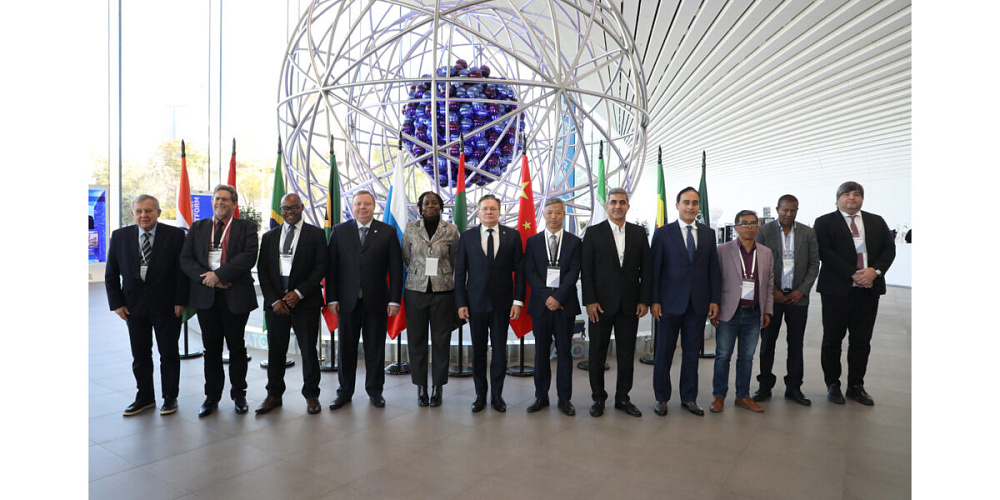
The inaugural meeting of the BRICS Nuclear Energy Platform took place in Moscow on October 17, 2024, with representatives from Russia, Brazil, China, South Africa, the United Arab Emirates, Iran, Ethiopia, and Bolivia, participating as a BRICS partner country. Eight companies and government organizations from BRICS member and partner countries signed a non-binding declaration supporting the Platform creation. In 2025, Egypt’s Nuclear Power Plants Authority (NPPA) and Brazil’s Nucleo Brasil Energia Participações Ltda (NBEPar) joined the declaration.
Currently, the Platform participants are: Rosatom (Russia), CNNC (China), NECSA (South Africa), Eskom (South Africa), NPPD (Iran), ABDAN (Brazil), ABEN (Bolivia), the Ministry of Innovation and Technology (Ethiopia), NPPA (Egypt), and NBEPar (Brazil).