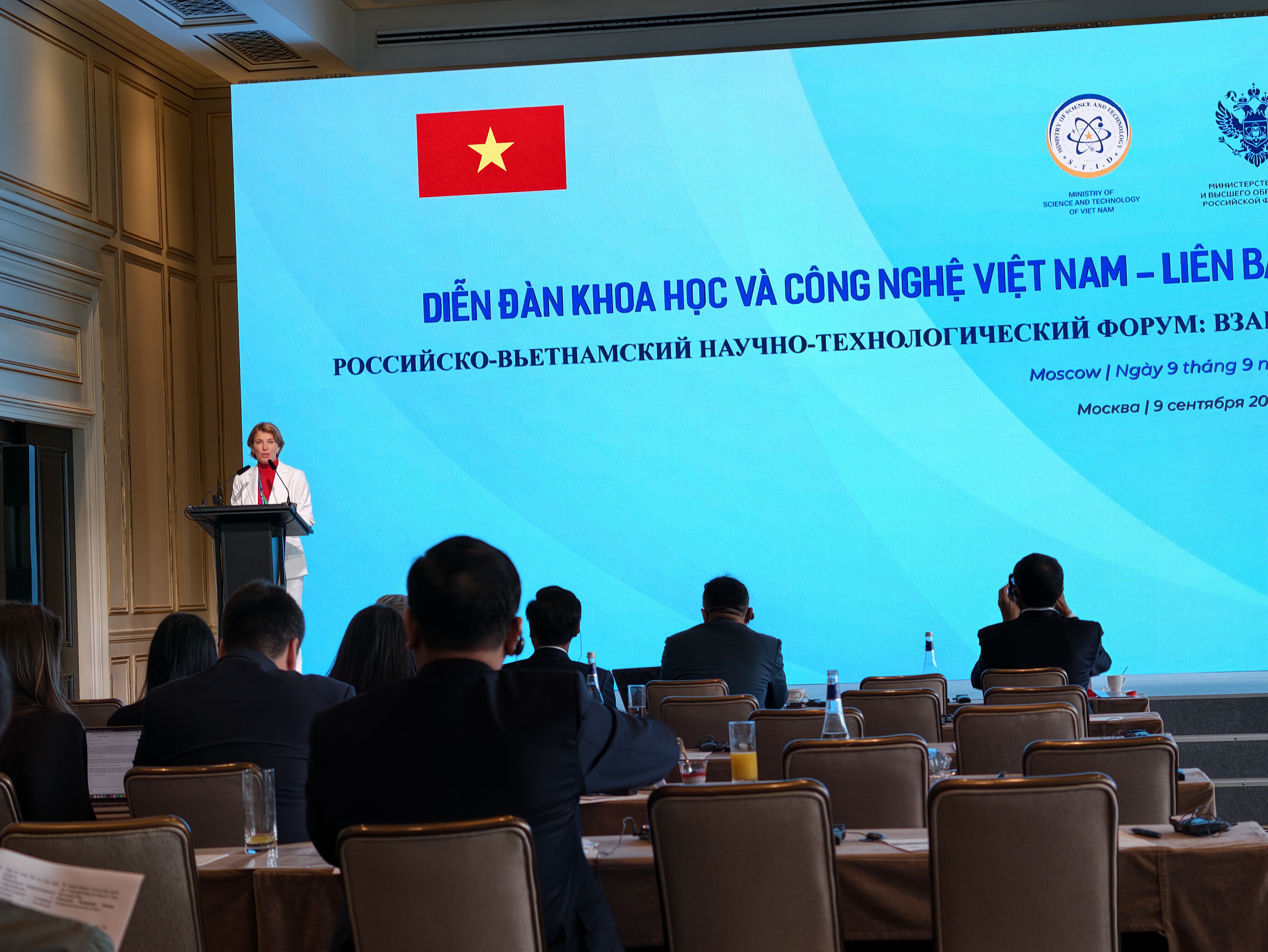
Rosatom and the Vietnam Academy of Science and Technology intend to develop a partnership in the field of quantum technologies. This was announced by Ekaterina Solntseva, Director of Quantum Technologies at Rosatom, while speaking at the Russian-Vietnamese Science and Technology Forum — one of the main events of the Russia-Vietnam Year of Science and Education, timed to coincide with the visit to the Russian Federation by To Lam, General Secretary of the Central Committee of the Communist Party of Vietnam and President of the Socialist Republic of Vietnam.
“The focus of future cooperation will be, first, the joint elaboration of a quantum development roadmap and the design of a quantum technology center, which is planned to be established in Vietnam; second, joint work on implementing this roadmap, including the creation of joint laboratories; and third, personnel training.” “This is a significant and very complex task: in essence, we need to create a new high-tech industry in a short period of time,” noted Ekaterina Solntseva.
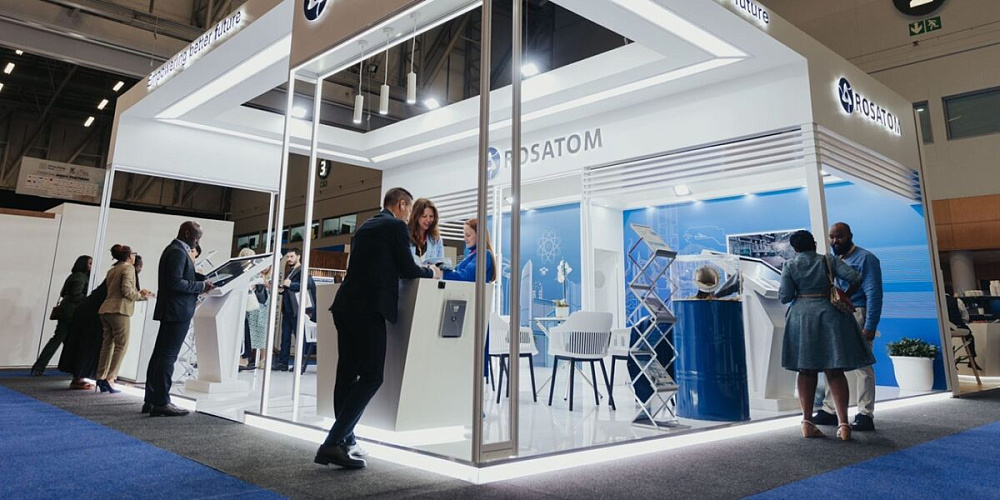
Rosatom is a global, diversified technology holding company with assets spanning energy, mechanical engineering, and construction. It comprises more than 550 enterprises and organizations employing approximately 415,000 people. Since 2020, Rosatom has been responsible for implementing the roadmap (RD) to develop the high-tech area of Quantum Computing. This work lays the foundation for Rosatom’s Quantum Project as an ecosystem bringing together 19 scientific institutes and universities with more than 750 researchers and engineers. An important task of the Quantum Project's first stage was the creation of a Russian quantum computer. As a result, four prototype quantum processors based on ions, neutral atoms, photons, and superconducting technologies were developed, placing Russia among the world’s top three countries in terms of the diversity of quantum computing platforms. Today, Russia possesses seven quantum processors, five of which were developed under the national roadmap. Three quantum computers have already surpassed the 70-qubit threshold. Implementation of the 2025–2030 Roadmap is aimed at achieving qualitative effects in the development of quantum technologies in Russia and mastering the practical application of quantum technologies, primarily in the Russian nuclear industry, where more than 30 early-use quantum computing projects are being implemented. Since 2026, Rosatom has been engaged in research and development in selected areas of quantum sensing.