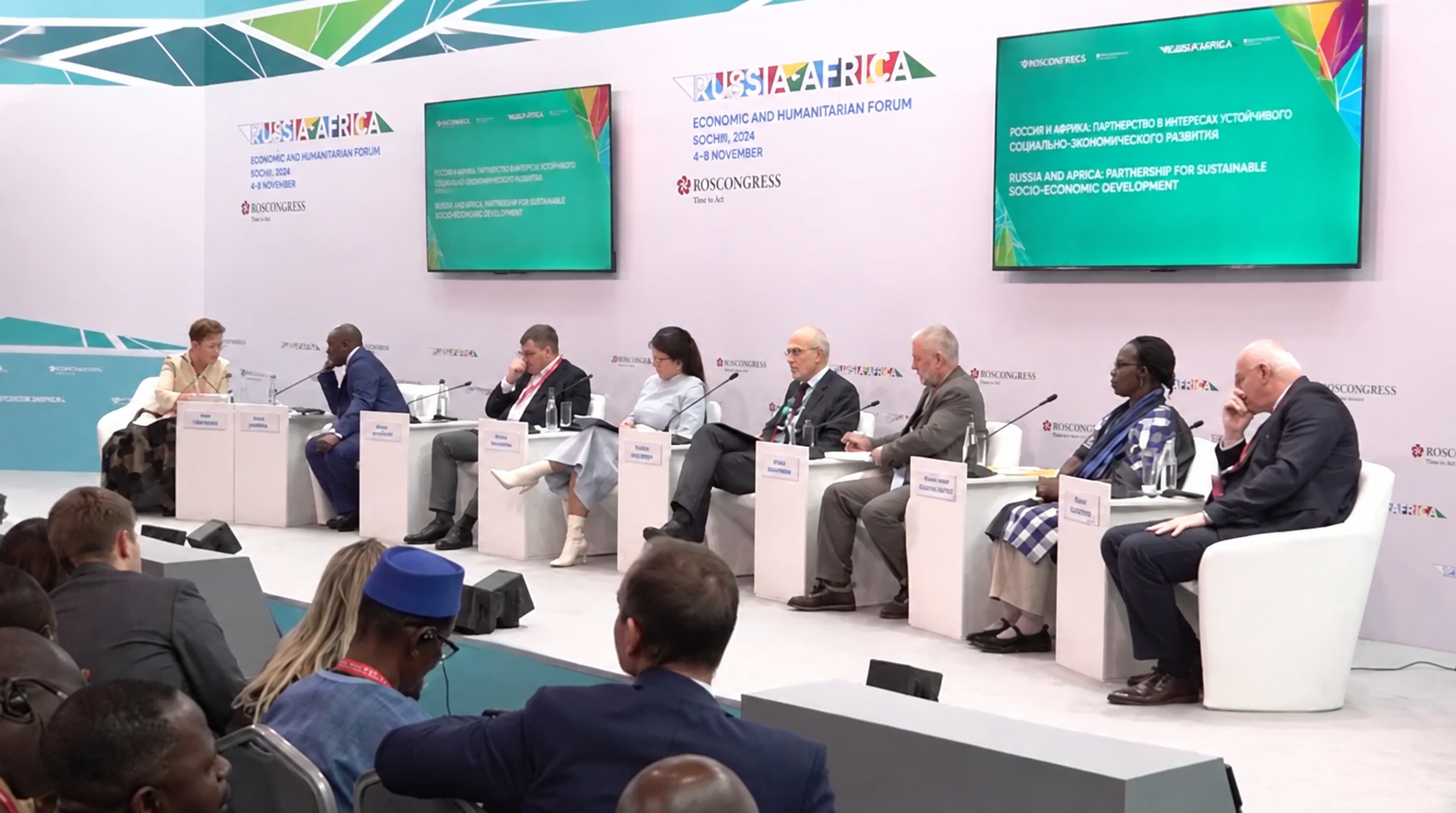
On 29 October, Ksenia Sukhotina, CEO of Rosatom Infrastructure Solutions, a division of Rosatom, presented the company’s approaches to developing integrated water and energy systems at the Third Russia–Africa Summit. Speaking at the session “Clean Water for the Countries of the African Continent: The Socioeconomic and Technological Dimension”, she emphasised that sustainable development in arid regions requires a coordinated approach to water supply and energy provision.
Discussing seawater desalination as a way to address water scarcity, Sukhotina noted that electricity accounts for a substantial share of desalination costs, potentially creating a barrier to the development of desalination facilities. These costs can be optimised by integrating power generation and water treatment facilities within a single project. By harnessing technological synergies, this approach can lower the cost of producing clean water, ease the financial burden and help balance the power system.
“For example, water can act as a natural battery. During periods of low electricity demand at night, the facility can direct power to desalination and pump the water into storage tanks. This helps balance the grid and reduces the need for additional energy storage. Shared engineering services and laboratories, together with digital resource management, can also significantly reduce operating costs,” said Ksenia Sukhotina.
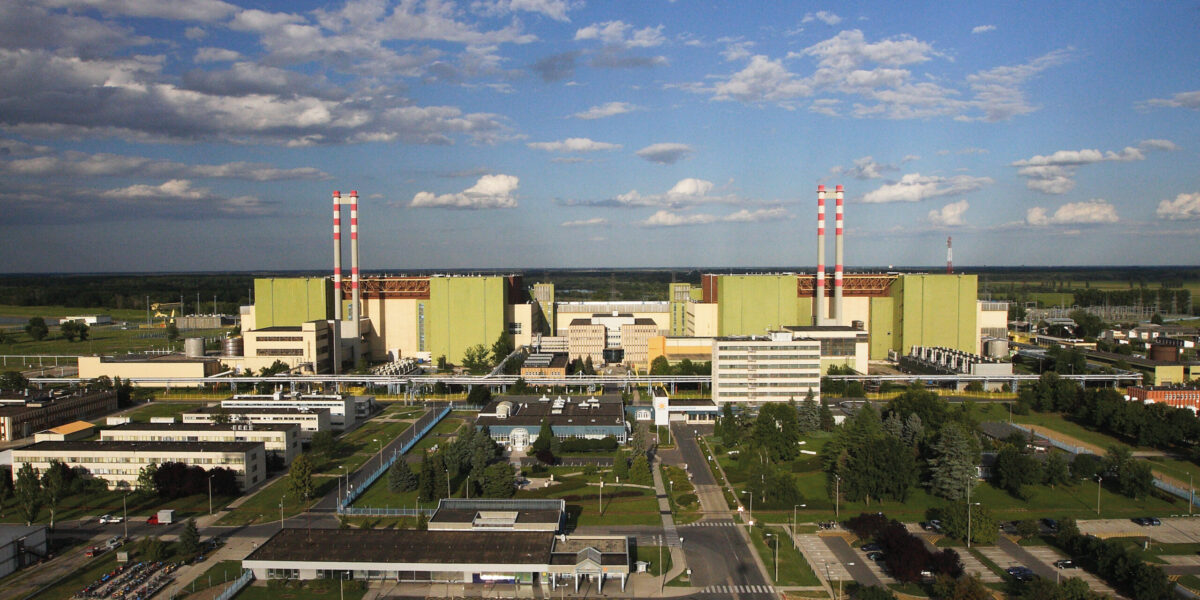
She noted that Rosatom companies have many years of experience in water treatment and the delivery of integrated projects of this kind. During the Soviet era, for example, an industrial complex on the Caspian Sea combined desalination facilities with a fast-neutron nuclear reactor to supply fresh water to the city of Aktau. In 2025, a modern desalination facility was commissioned at the Akkuyu Nuclear Power Plant site in Türkiye. Rosatom is now working with Egyptian partners to explore the development of a desalination facility at the El-Dabaa Nuclear Power Plant site.
Sukhotina explained that Rosatom and its partners view these projects not simply as water treatment facilities, but as drivers of regional development, laying the foundations for growth in agriculture, industry, tourism and healthcare.
“Together with our partners, we are exploring different approaches to identify the solution best suited to each region and its sustainable development. We are, of course, ready to share our expertise, support technology transfer and train local engineers throughout the project life cycle,” Ksenia Sukhotina concluded.
Rosatom Infrastructure Solutions is a division of Rosatom operating in the energy, IT and municipal utilities sectors. The company manages Rosatom’s non-nuclear power generation assets and implements projects to digitalise municipal and regional administration, modernise utility infrastructure and improve urban environments.
Its power generation facilities and district heating networks are located across 16 Russian regions. Its power plants have a combined installed electrical capacity of 3.6 GW and a thermal capacity of 18,700 Gcal/h. The company implements digitalisation and municipal utilities projects in more than 200 cities, from Murmansk to Sakhalin.