A
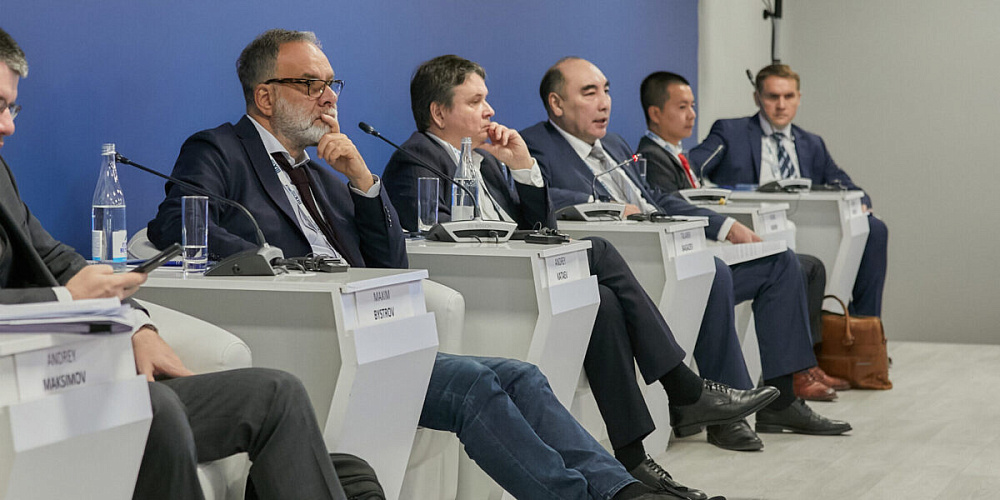
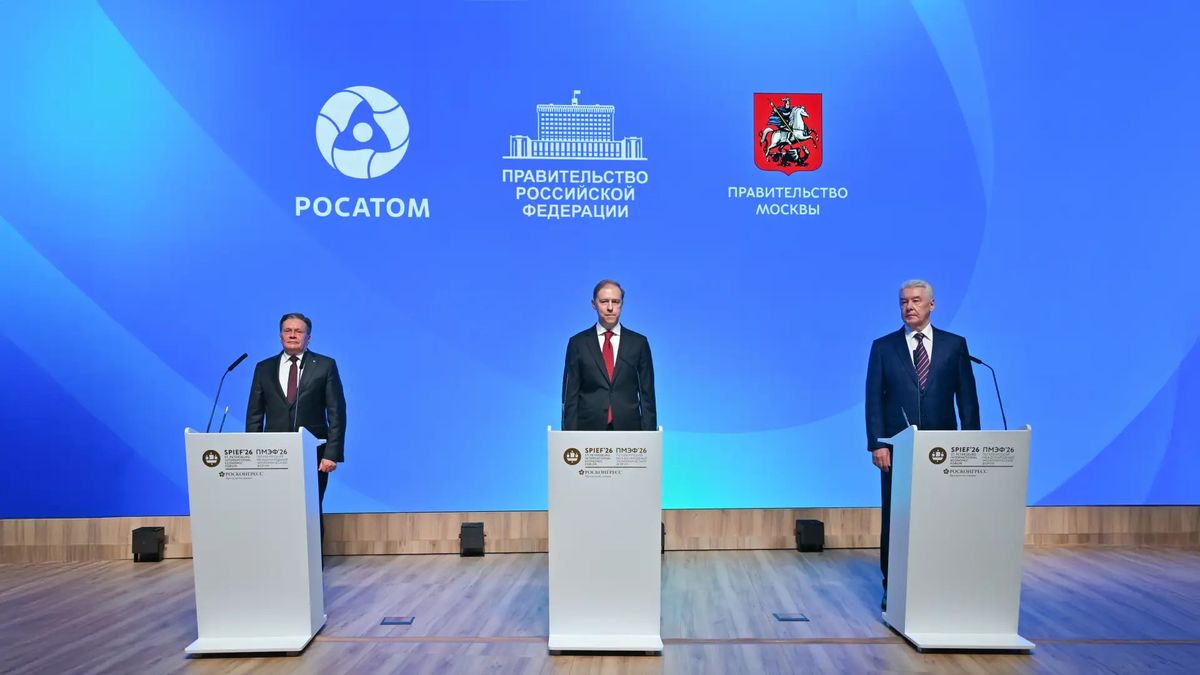
Memorandum on Cooperation in the field of Testing and Certification of Energy
Storage Systems (ESS) and Their Components was concluded at the St. Petersburg
International Economic Forum on June 5. The document was signed by Denis
Manturov, First Deputy Chairman of the Government of the Russian Federation,
Sergey Sobyanin, Mayor of Moscow, and Alexey Likhachev, Director General of
Rosatom State Corporation.
The key purpose of cooperation hereunder is to create a full-fledged testing and certification center for electricity storage systems and their components in Russia, which is planned to be launched by late 2027. Nowadays, the country lacks an accredited laboratory capable of conducting a full cycle of certification of lithium-ion batteries according to international standards. As a result, Russian companies are forced to send their products abroad for testing. Once emerged, such national center of expertise will strengthen technological sovereignty in this area.
Creating a single test center is a critical step to complete the shaping of a full cycle of lithium-ion battery manufacturing in Russia. Today, we already localize advanced technologies, but their validation according to safety standards remained a bottleneck so far. "By combining the competencies of Rosatom, the federal and Moscow City governments, we are building not just a laboratory, but a foundation of confidence in the national energy storage industry both domestically and in foreign markets," noted Alexey Likhachev, Director General of Rosatom State Corporation.
The project
to create a national test center is being implemented pursuant to the
instructions by the Government of the Russian Federation dated March 20, 2026.
The estimated amount of annual operating expenditures for testing by the Center
will allow industry enterprises to reduce their costs dramatically and
accelerate the launch of new products on the market.
Rosatom's
Fuel Division brings together enterprises for fabrication of nuclear fuel,
uranium conversion and enrichment, manufacturing of gas centrifuges, as well as
R&D and design institutions. As the sole supplier of nuclear fuel for
Russian NPPs, the division provides fuel for a total of more than 70 power
reactors in 15 countries, research reactors in nine countries, and transport
reactors of the Russian nuclear fleet. Every sixth power reactor in the world
runs on the division's fuel. Rosatom's Fuel Division is the world's largest
producer of enriched uranium, as well as the leader in the global market for
stable isotopes. The fuel division is actively developing new business lines in
the fields of chemistry, metallurgy, energy storage technologies, 3D printing,
digital products, as well as decommissioning of nuclear facilities.
The Energy
Storage business area is being developed within the Fuel Division. It is
designed to produce lithium-ion energy storage systems for emergency and
uninterruptible power supplies; hybrid systems involving renewable generation
sources; traction batteries for electric vehicles, special-purpose machinery,
and other areas. Projects are underway to build gigafactories in Kaliningrad
Region and New Moscow to produce lithium-ion cells and rechargeable batteries.
The Kaliningrad "gigafactory" was launched in 2025, while production
in New Moscow is expected to start in 2026. According to forecasts, the plants
with a total capacity of about 8 GW*h will make batteries for about 100
thousand electric cars annually. The availability of our own R&D center allows
us to develop, along with standard systems, complex solutions for individual
customer requirements. Our team supports the project from R&D to
manufacturing stages and provides service support.
Large Russian companies are developing production and investing in import-substituting technologies. Rosatom and its companies are active contributors to these activities.