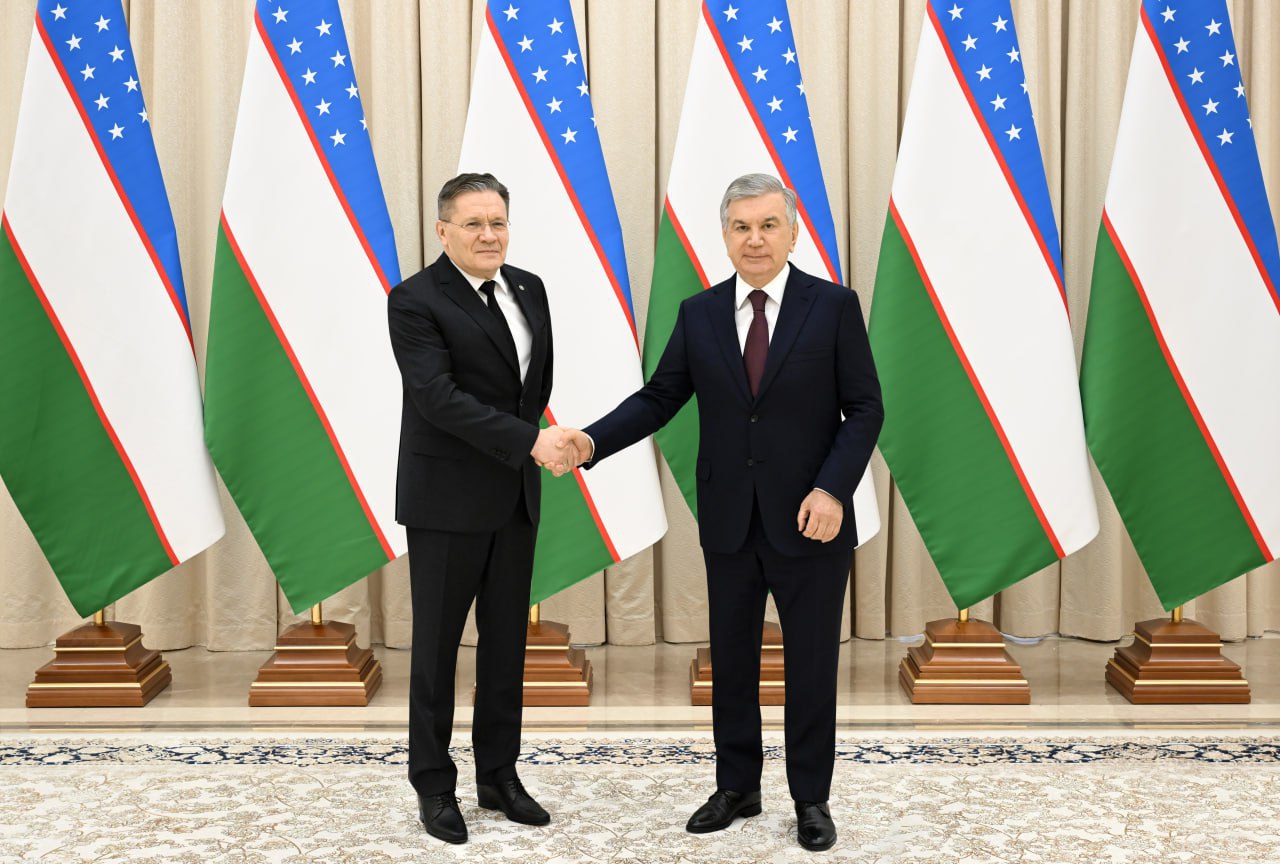
On January 27, 2026, in Tashkent, Alexey Likhachev, Director General of the State Corporation Rosatom, and Shavkat Mirziyoyev, President of the Republic of Uzbekistan, discussed the stages of construction of an integrated nuclear power plant in Uzbekistan. On May 27, 2024, a protocol to the 2018 intergovernmental agreement was signed, extending its application to the construction of a small-capacity nuclear power plant, along with the corresponding contract.
Speaking about the project implementation stage, Alexey Likhachev noted: "We are progressing at a high pace and in full accordance with the schedule. Work at the site is active: excavation for the foundation pit of the first small-capacity power unit began back in October 2025. The main task this year is to proceed with pouring concrete for the base slab of the nuclear island buildings. Taking into account the importance of meeting the deadlines, we are aiming to start concrete preparation work this spring."
The
construction of the nuclear power plant in the Jizzakh Region of the Republic
of Uzbekistan is being carried out by the State Corporation Rosatom under the
order of the Uzatom Agency and is a strategic project supported at the state
level by both countries. The project aims to meet Uzbekistan's growing
electricity demand, which is forecasted to increase by 1.7 times by 2035. The
commissioning of the plant will cover up to 14 % of the country's electricity
needs. The uniqueness of the project lies in creating the world's first
integrated nuclear power plant, which will combine both high- and
small-capacity power units at a single site. This decision is based on an
agreement signed in September 2025 and builds upon the world's first export
contract for the construction of a small-capacity nuclear power plant (SMR),
signed by the parties in May 2024.
Work on the project is proceeding according to schedule. After the contract was signed in May 2024, excavation for the foundation pit of the first SMR power unit began in October 2025. The next key stage is the commencement of concrete work, planned for the first half of 2026. The project has significant socio-economic importance: at the peak of construction, it is expected to create around 13,000 jobs. In parallel, active training of national personnel for Uzbekistan's nuclear energy sector is underway, including the education of hundreds of students at Rosatom's partner universities and at the MEPhi branch in Tashkent.