For the fifth
consecutive year, Rosatom, in partnership with the Marine Research Center of
Lomonosov Moscow State University, is conducting a comprehensive environmental
and biodiversitymonitoring
program across the NSR. The project incorporates advanced international
conservation practices and frameworks.
The primary
objective of these studies is to ensure the sustainable development of the
Northern Sea Route. By systematically evaluating the region's environmental
health amid the intensification of Arctic shipping, the program aims to
minimize the impact of growing cargo volumes on vulnerable marine ecosystems.
Over the
course of the project, marine ecosystem experts from leading scientific
institutions across Russia, China, India, Egypt, Turkey, and other countries
have participated in developing the research program and providing expert
support. Since its inception, the initiative has drawn more than 130 specialists
from 29 organizations. The latest findings demonstrate that current levels of
shipping along the Arctic route have no negative impact on the environment.
The project has earned
widespread recognition from the international scientific community and has been
featured at major Russian and international events dedicated to the Arctic,
marine ecology, sustainable shipping, and the climate agenda, such as Arctic Frontiers
Conference, he World Conference on Marine Biodiversity, the Ecumene Global
Forum, the UN Climate Change Conferences (COP 28 and COP 29), the ATOMEXPO
International Forum, the Eastern Economic Forum, the St. Petersburg
International Economic Forum, the Marine Congress, the NEVA International
Exhibition and Conference, the BRICS Municipal Forum, and the BRICS Working
Group on Oceanology, Polar Science and Technology, among others.
This year, major resource
developers operating in the Arctic Zone of the Russian Federation have also
expressed interest in the project. These companies maintain responsible
environmental policies and employ a systematic approach to environmental
protection across their business operations. The expanding roster of participants
reflects a shared commitment among Arctic shipping stakeholders to unified
principles based on high environmental standards.
This year’s
environmental monitoring will cover the entire expanse of the Northern Sea
Route, including the Kara, Laptev, East Siberian, and Chukchi seas. It will
also encompass inland waters—the Gulf of Ob and the Yenisei River—along with
the port areas of Sabetta, Utrenny, Dudinka, Tiksi, and Pevek.
Three
research teams will carry out fieldwork across 53 monitoring stations. The data
collected will provide up-to-date insights into the current status of marine
ecosystems at present levels of shipping intensity. Furthermore, the project
will review the cumulative performance over its six-year duration, as
scientists synthesize data collected from 2021 through 2026.
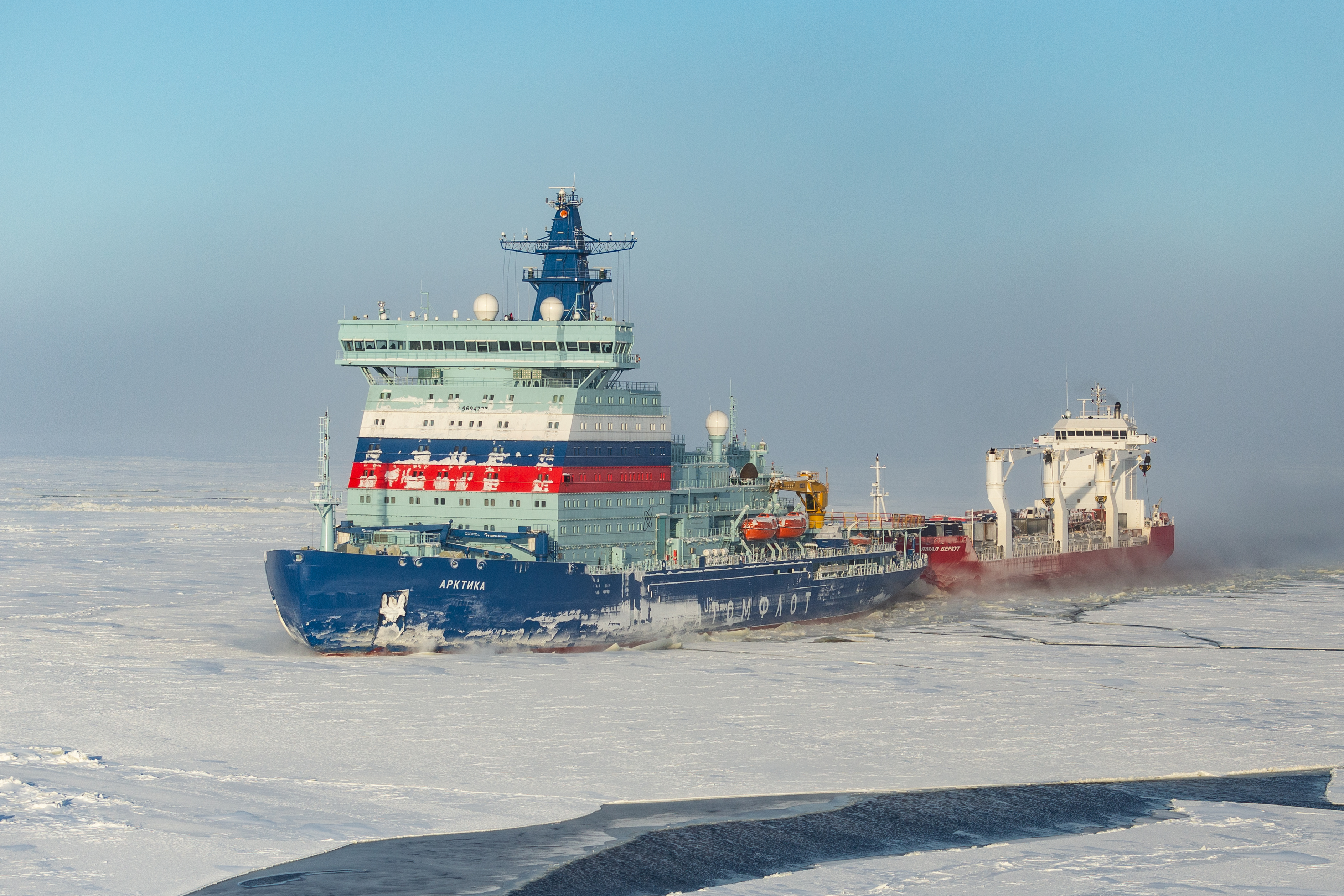
The Northern Sea Route is Russia's national transport artery in the Arctic, stretching over 5,600 kilometers. The NSR serves as a key element of the Trans-Arctic Transport Corridor (TATC), reducing the transit distance from Asia to Europe by 30% to 40% compared to traditional southern routes. The majority of the route passes through Russia's internal waters and Exclusive Economic Zone (EEZ), ensuring a high level of security. Other nations have also recognized the advantages of the TATC, as evidenced by the growing volume of international container shipping along the NSR: the route saw 7 container voyages in 2023, 14 in 2024, and 24 in 2025. In 2025, transit cargo volumes reached a record high of over 400,000 tons of containerized freight, representing a 130% increase year-over-year.
An environmentally responsible approach to managing
shipping and conducting commercial activities in the region is a fundamental
requirement for developing the Northern Sea Route as an international transport
corridor.
In 2018, Rosatom was appointed the infrastructure operator
of the Northern Sea Route. The corporation adheres to the highest safety and
security standards in the execution of its projects.
The comprehensive development of the Russian Arctic Zone is a national strategic priority. Increasing shipping volumes along the NSR is of paramount importance for meeting key transport and cargo delivery objectives. The advancement of this logistics corridor is driven by establishing scheduled freight services, constructing new nuclear-powered icebreakers, and upgrading the supporting infrastructure. Rosatom companies are actively involved in these efforts.