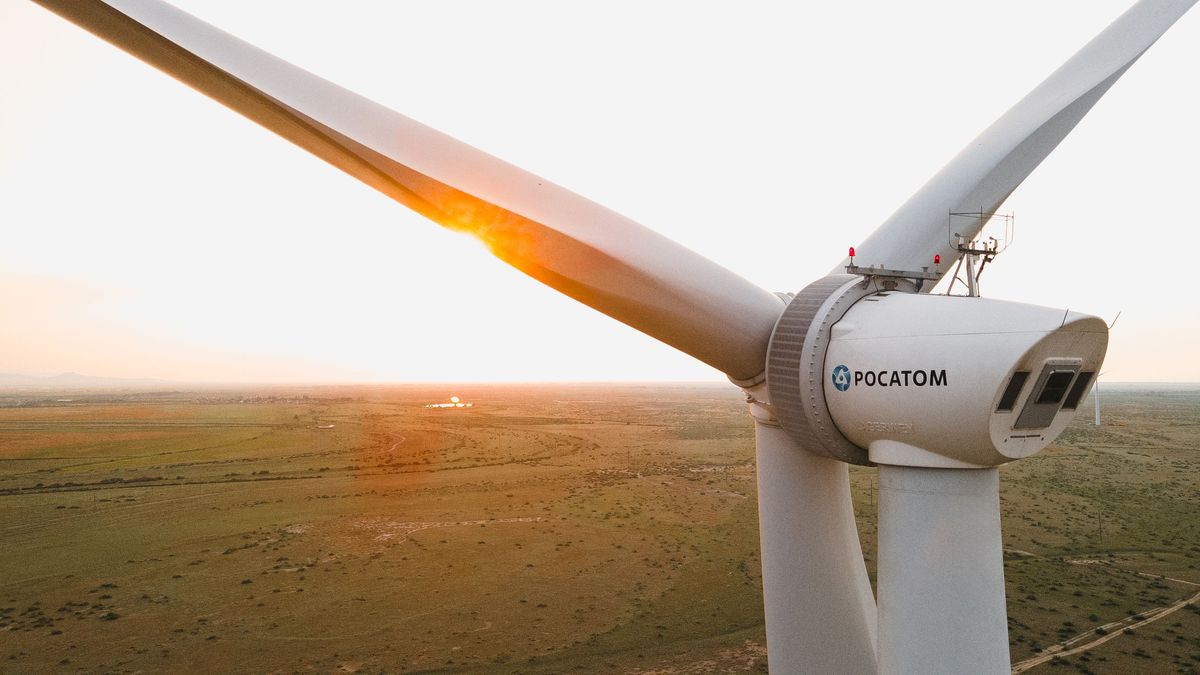
Rosatom Renewable Energy JSC has
started designing an assembly plant in the Amur Region. The plant will perform
the semi-knocked-down assembly of nacelles and hubs for wind turbines of a new
technological platform with a capacity of 4.5 MW. The company is switching to
this type of wind turbines as part of expanding its technical solutions
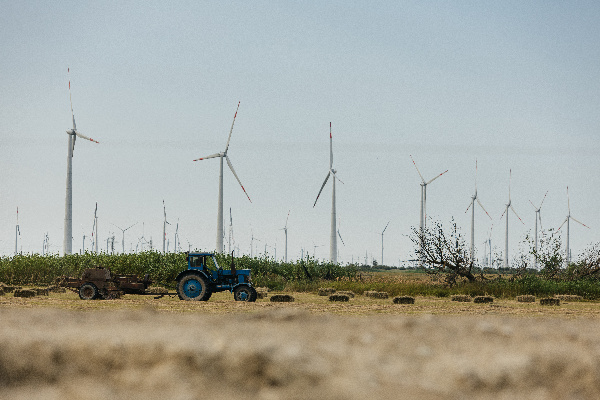
portfolio. The equipment is intended for the Uspenskaya and Platovskaya Wind
Farms, planned to be built in the Far East, as well as to support Rosatom’s
future projects in the region.
The plant’s production capacity
will be approximately 72 sets per year (nacelle and hub). The facility is
scheduled for commissioning in the third quarter of 2027. The plant will be
constructed using prefabricated construction technologies, allowing it to reach
its design capacity without delay.
The plant will create 60 jobs (40 workers and 20 technical engineers).
"The new assembly plant is an important step toward localizing the production of wind turbines for Rosatom’s Far East projects. Its location directly in the Amur Region is dictated by logistics, since the delivery of large-scale components from the existing plant in Volgodonsk to the Far East would be more expensive than assembling them on site. Locating production directly in the Far East will ensure a stable supply of equipment, create new jobs, and give an additional impetus to the region’s development,” mentioned Grigory Nazarov, CEO of Rosatom Renewable Energy JSC.
The Rosatom’s Renewable Energy Division (managed by Rosatom Renewable
Energy, JSC) acts as an integrator of projects in the wind power industry,
efficiently solving the entire range of tasks, from designing wind power plants
(WPP) to their service maintenance. In Volgodonsk, the Atommash plant organized
the production of hubs, nacelles, generators and cooling systems for 2.5 MW
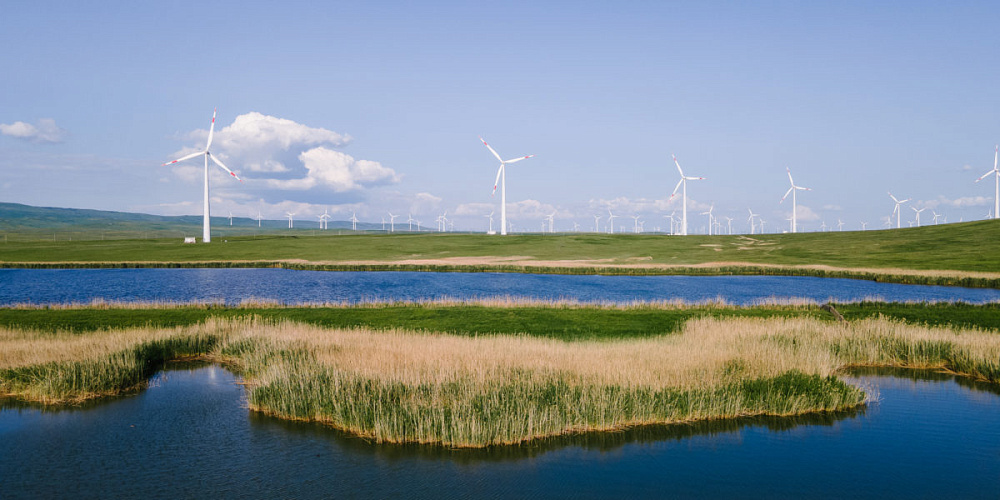
wind turbines. Currently, over 1,3 GW of wind power capacity has been
successfully commissioned, namely nine wind power plants in southern Russia. By
2028, Rosatom plans to commission WFs with a total capacity of about 2 GW
(including already commissioned capacity), which will enable the division to
become one of the leaders in the Russian renewable energy market.
The energy sector underpins the country's steady socio-economic development, supplying electricity to industry and households. Russia continues to upgrade its energy sector, including its nuclear facilities. This work is carried out in line with the current trends toward digitalization and the replacement of imported equipment. The share of low-carbon power generation in the Russian energy sector is already around 40 %. In the future, it will only increase, given the growing share of nuclear power generation.